10 hr
Mount Fuji Highlights Day Trip from Tokyo
- Expert local guide
- Small group
- Skip-the-line access
- Free cancellation
Mt Fuji Bullet Train Tour — Shinkansen Transfers & Subaru Line Access
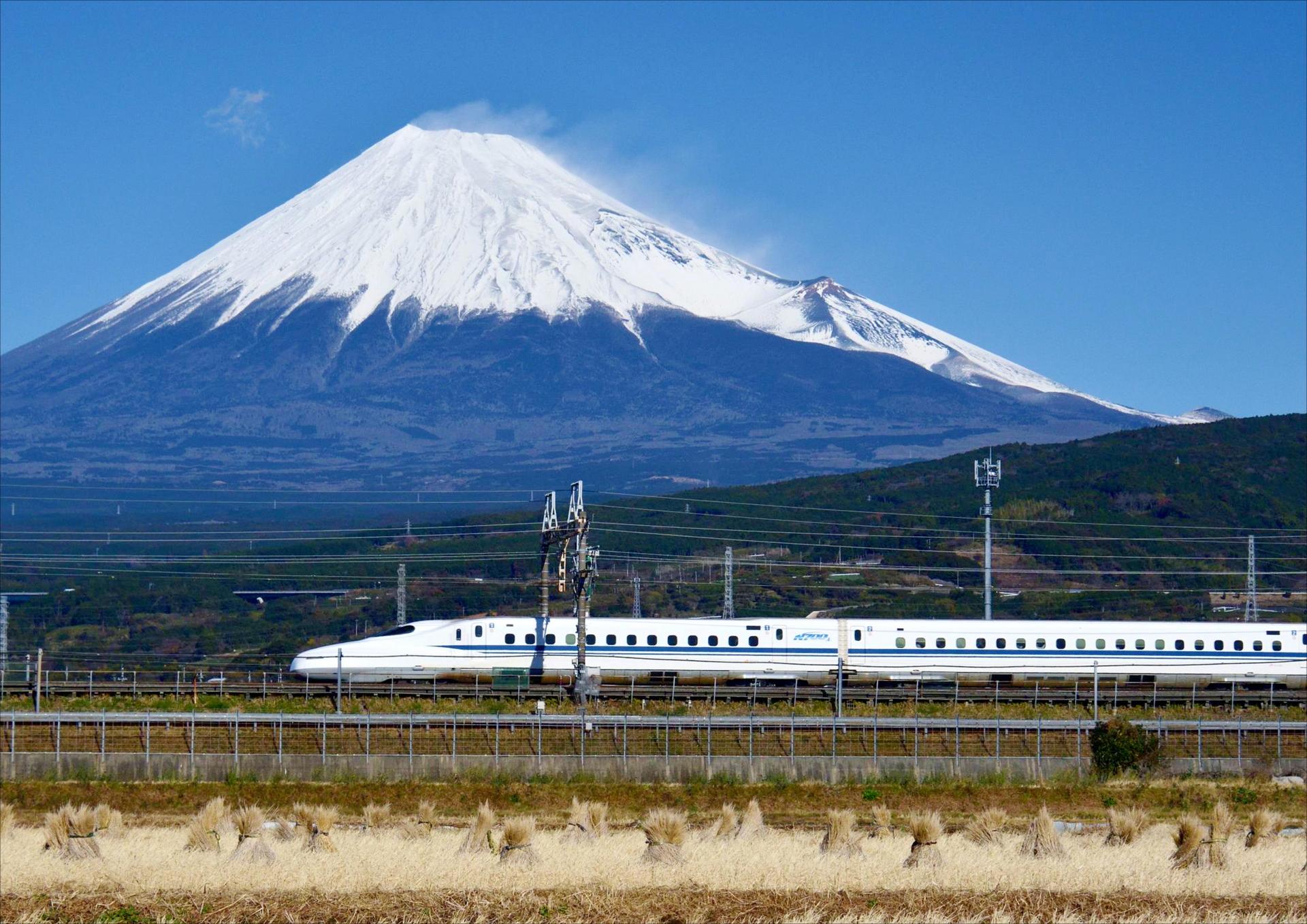
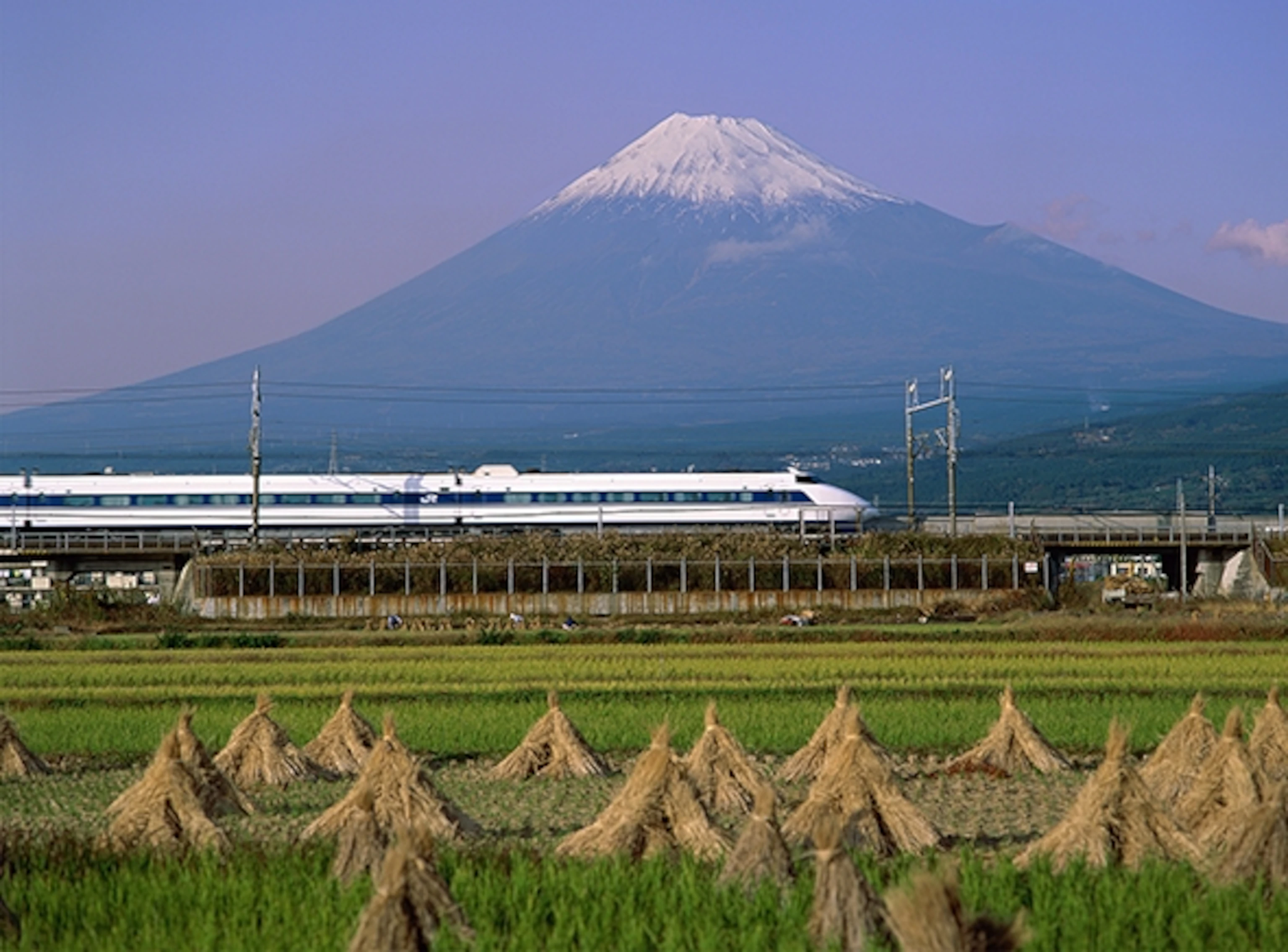
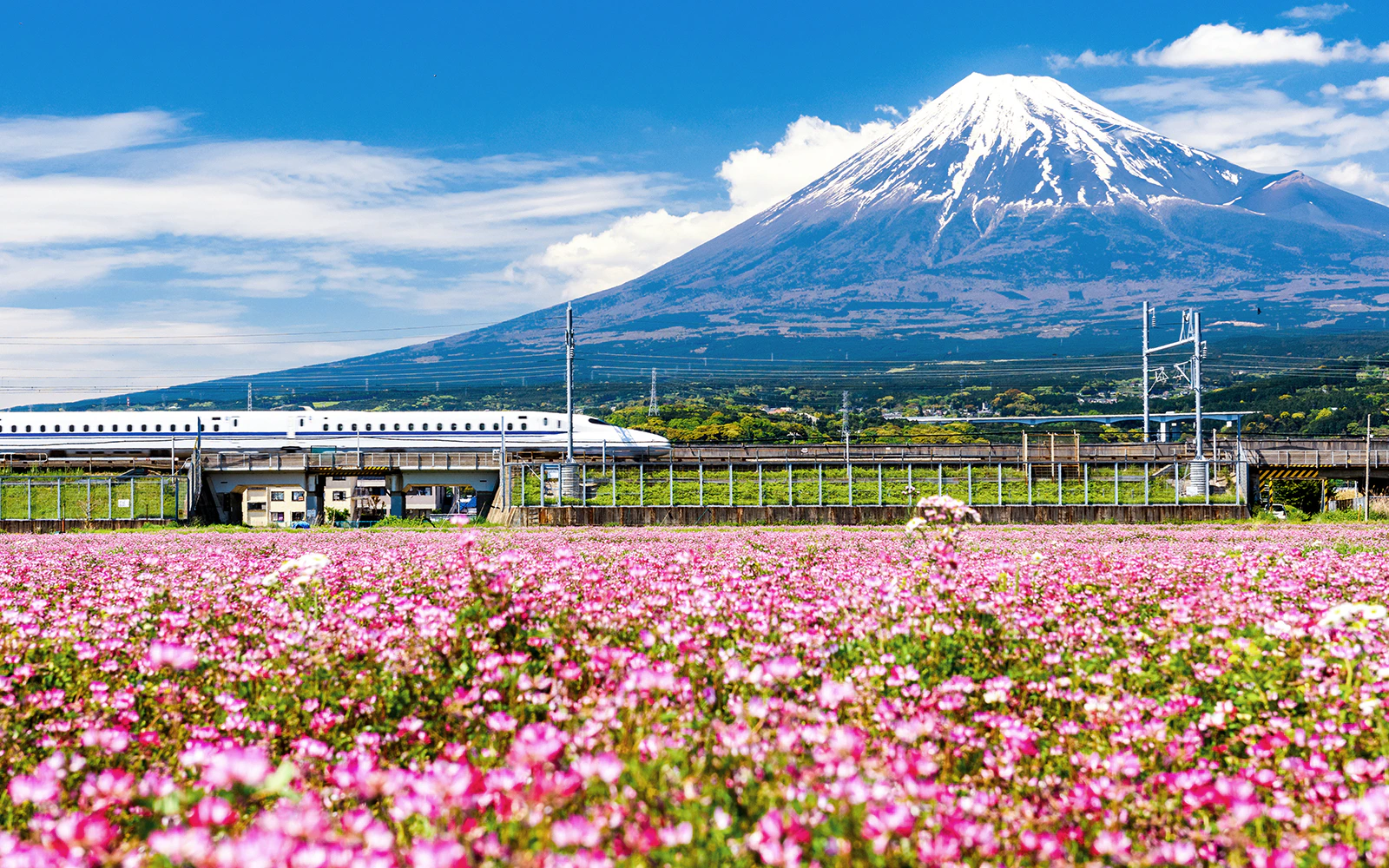
Steel rails at first light, a volcano waiting above the cloud line.
Compare fares, pick the fit — all bookings are mobile-voucher and eligible for free cancellation where shown.
10 hr
10 hr
10 hr
| Experience | Duration | Rating | Skip-the-line | Guide | Small group | Free cancel. | Price | |
|---|---|---|---|---|---|---|---|---|
|
Guided Experience
Most popular
Mount Fuji Highlights Day Trip from Tokyo
|
10 hr | ★ 4.8 | ✓ | ✓ | ✓ | ✓ | €42 | Book → |
|
Guided Experience
Mount Fuji, Hakone Shrine & Owakudani Volcanic Valley Day Trip
|
10 hr | ★ 4.6 | ✓ | ✓ | ✓ | ✓ | €47 | Book → |
|
Guided Experience
Mount Fuji, Hakone Ropeway & Bullet Train Day Trip from Tokyo
|
10 hr | ★ 4.4 | ✓ | ✓ | ✓ | ✓ | €130 | Book → |
Worth it for time-tight first-timers, not slow travelers
A mt fuji bullet train tour buys you one thing above all: compression. Shinkansen legs to Odawara or Mishima cut hours of transfers, and a guided package strings together the Subaru Line 5th Station, Lake Ashi, the Hakone Ropeway over Owakudani's sulphur vents, and Chureito Pagoda in a single day — an itinerary that independently means juggling Odakyu passes, Fujikyu buses, and timetable gaps. If you have three days in Japan and want Mount Fuji landmarks without planning them, the convenience is real value. If you have a week, a JR Pass, and patience for a Fuji Five Lakes tour at your own rhythm, you're paying a premium for logistics you could handle yourself. The mandatory 4,000 JPY hiking fee per person applies during climbing season regardless of how you arrive. Fuji sightseeing tickets bundled into these packages mostly save queuing, not money. Verdict: buy the time, not the access.
Bottom line: If your calendar is tighter than your budget, a mt fuji bullet train tour earns its keep; otherwise go independent and keep the difference.
Hand-picked experiences loved by thousands of travelers
10 hours
Free Cancellation
Journey from volcanic valleys to sacred springs on a full-day escape through Japan's most iconic landscapes
10 hours
Free Cancellation
Explore Japan's iconic mountain on a full-day excursion featuring alpine cable cars, seasonal gardens, and sacred springs
10 hours
Free Cancellation
Journey to Japan's iconic peak, explore volcanic valleys, cruise a scenic lake, then speed back on the Shinkansen
10 hours
Free Cancellation
Explore Japan's iconic mountain, cruise Lake Ashi, ride the ropeway, and return via high-speed train
10 hours
Free Cancellation
Discover Japan's iconic mountain, volcanic valleys, and scenic lakeside shrines on this guided day trip from Tokyo.
10 hours
Free Cancellation
Discover Japan's most iconic mountain and volcanic hot springs on a customizable private excursion
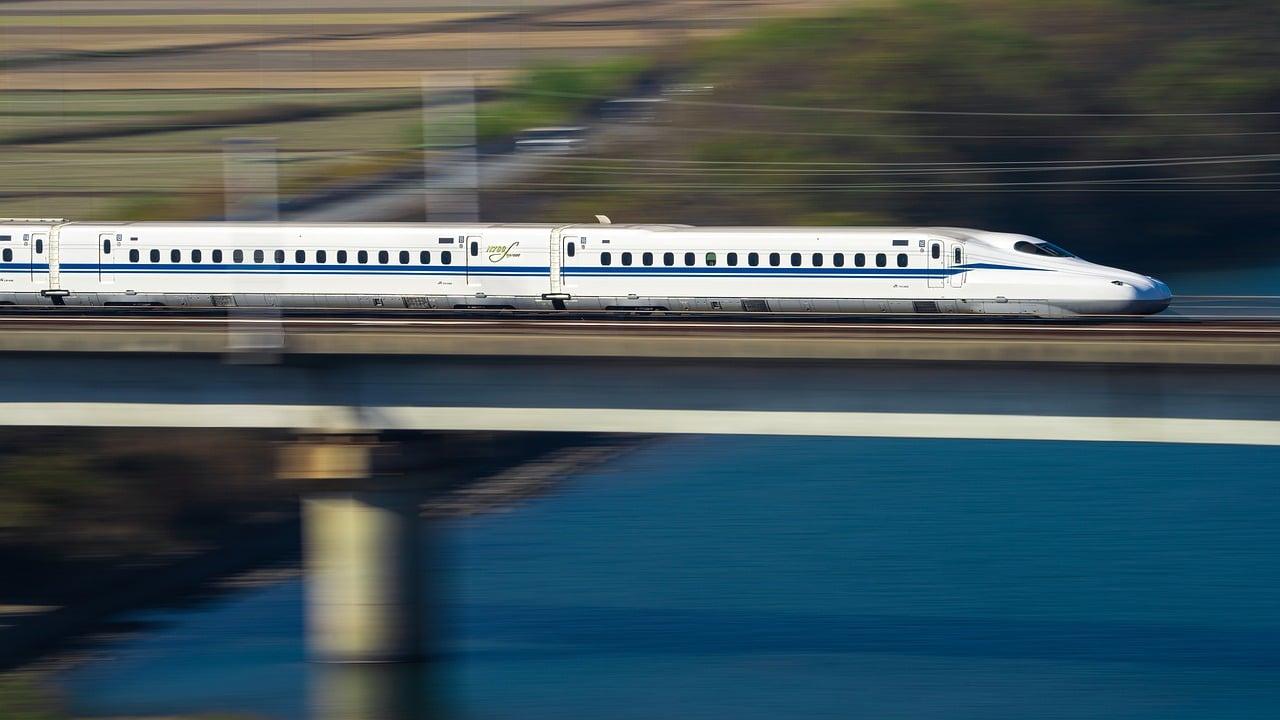
Board the Shinkansen for your mt fuji bullet train tour.
Transit from the train station to the 5th Station.
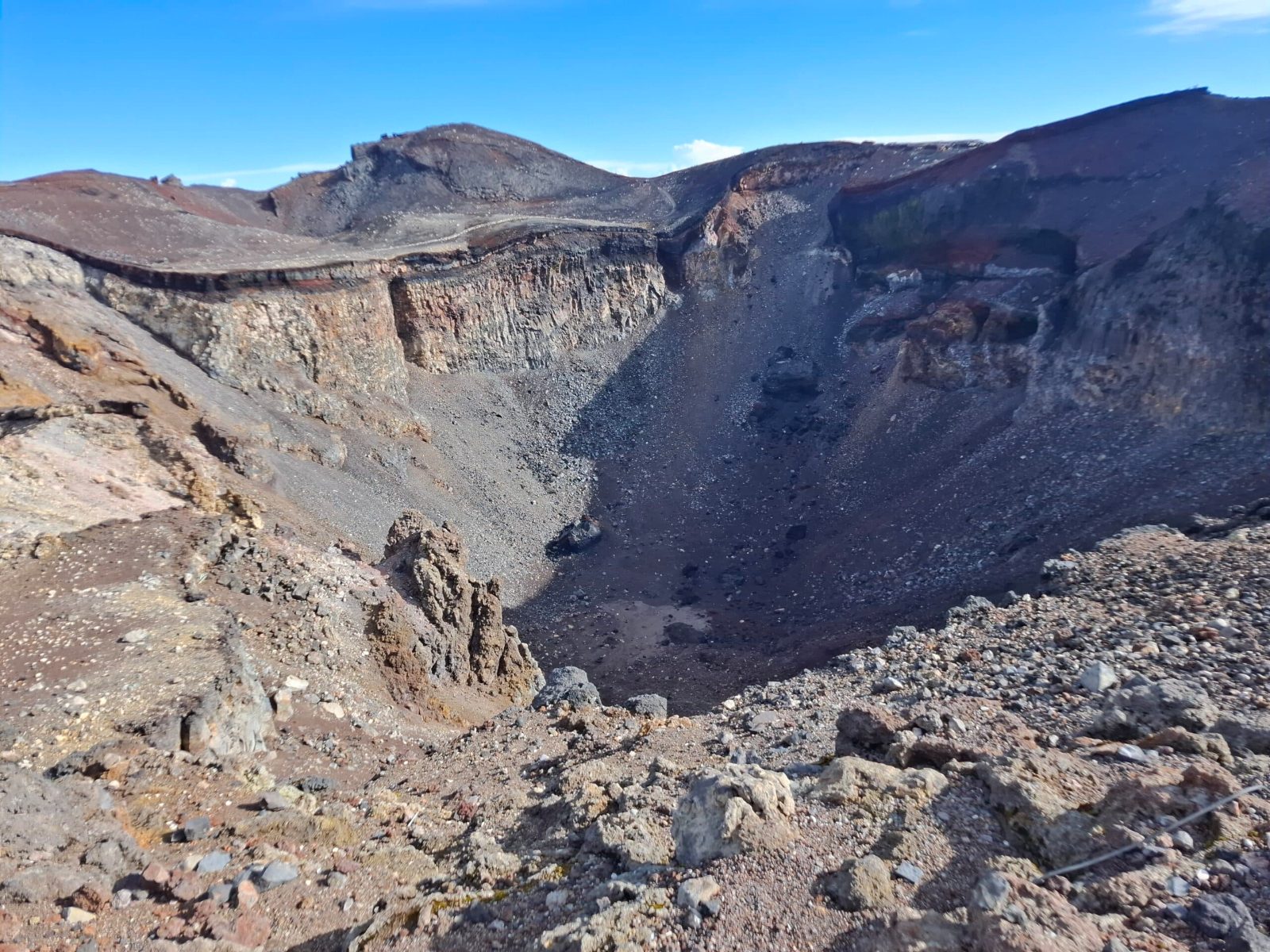
Hike segments and view the summit crater.
Travel back to the city center by rail.
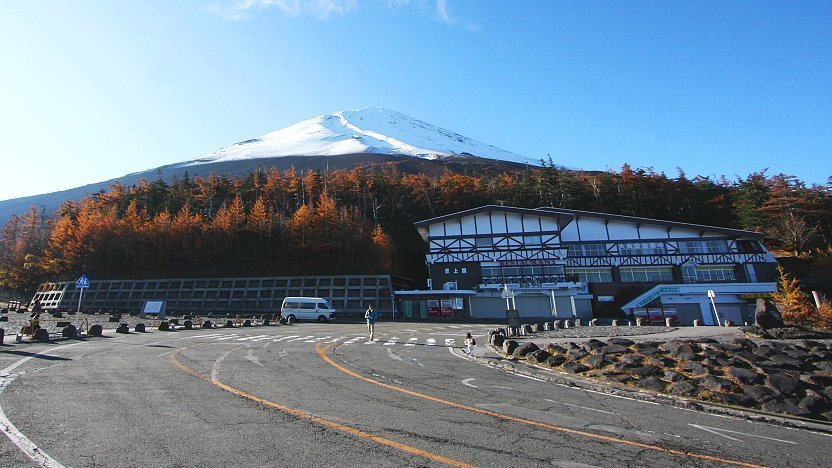
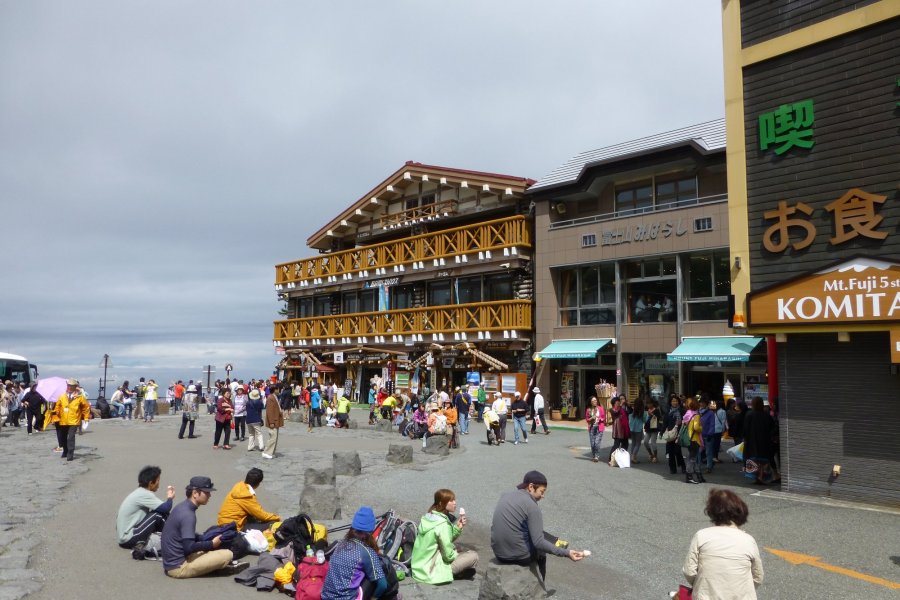
This is the primary gateway for climbers and offers essential facilities and summit views.
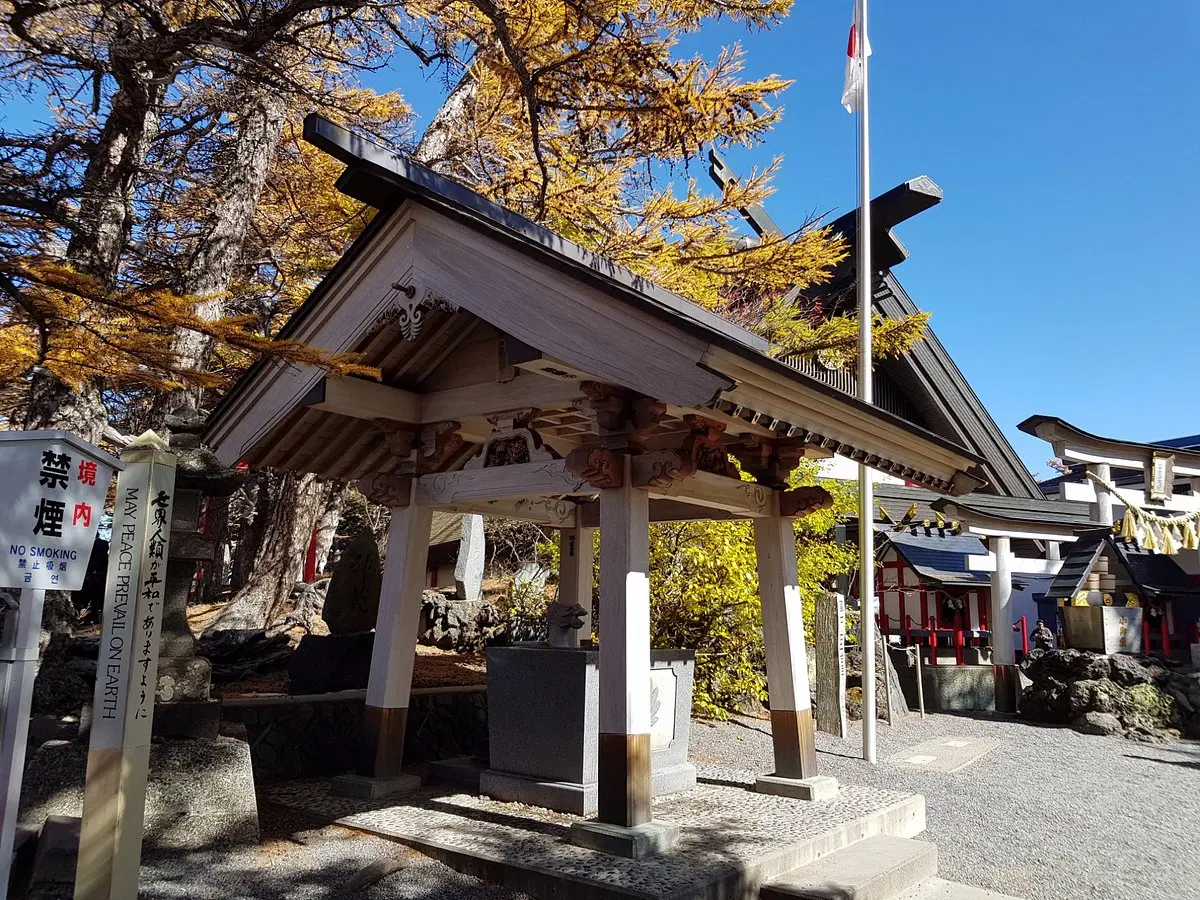
A historic site located at the 5th Station dedicated to mountain deities.
The highest point reachable by hikers, showcasing volcanic geography.
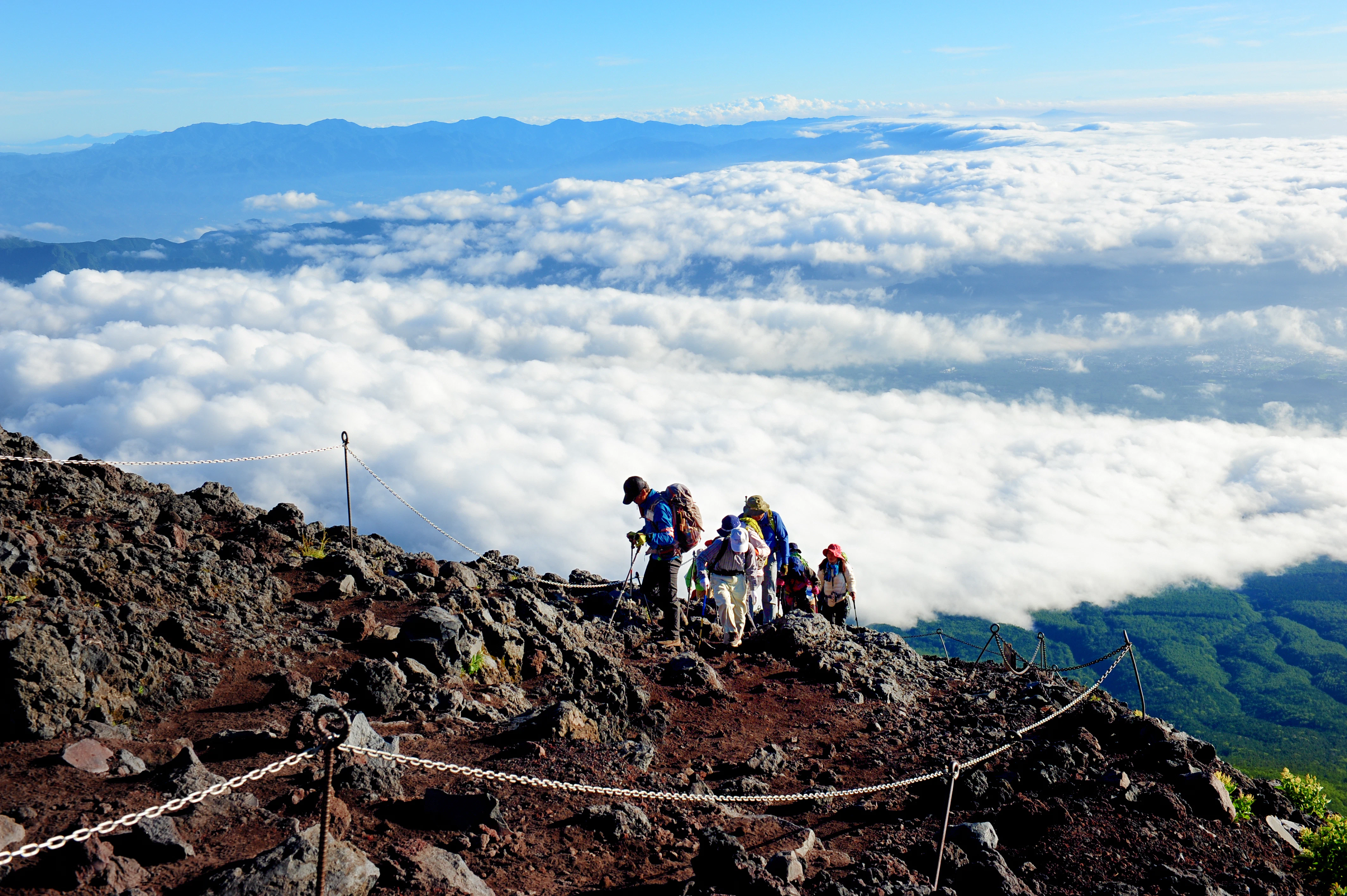
The most popular path for those embarking on an mt fuji bullet train tour adventure.
Provides sweeping vistas of the surrounding Five Lakes region from high altitude.
You board before dawn, because the gate window opens at 03:00 and clear-air visibility collapses by mid-morning. The Shinkansen platform is quiet; the train pulls away and the city thins into rice terraces within twenty minutes.
If you have chosen a mt fuji day tour with bullet train, a coach meets the rail connection and begins the climb up the Fuji Subaru Line, twenty-four kilometres of switchbacks through five distinct vegetation zones.
At the 5th Station, 2,300 metres up, the air drops several degrees against the platform you left. You pause at Komitake Shrine, buy a wooden climbing staff, and watch cloud move below the parking area rather than above it. Vending machines here charge mountain prices. The Yoshida trailhead sits a short walk on; the 4,000 JPY hiking fee applies per person for anyone continuing upward during climbing season.
You walk the crater rim viewpoint, look south toward Hakone's caldera, and let your eyes adjust to the scale of the Aokigahara canopy. Then you descend. The mt fuji bullet train tour returns you through the same switchbacks, ears popping, and by the time the Shinkansen reaches the city the mountain has already vanished behind haze — proof that the 03:00–14:00 window exists for a reason.
All the details about your upcoming adventure in one place
A mt fuji bullet train tour pairs a coach run through the Fuji Five Lakes region with a Tokaido Shinkansen return from Odawara, so you cover Fujisan and Hakone in a single loop without backtracking. Most departures take in the 5th Station on the Subaru Line, a Lake Ashi cruise, and the Owakudani volcanic valley with its sulphur vents and black eggs. Fuji-Hakone tours of this type run daily year-round, with a coach substituted for the Shinkansen leg only during rare service suspensions.
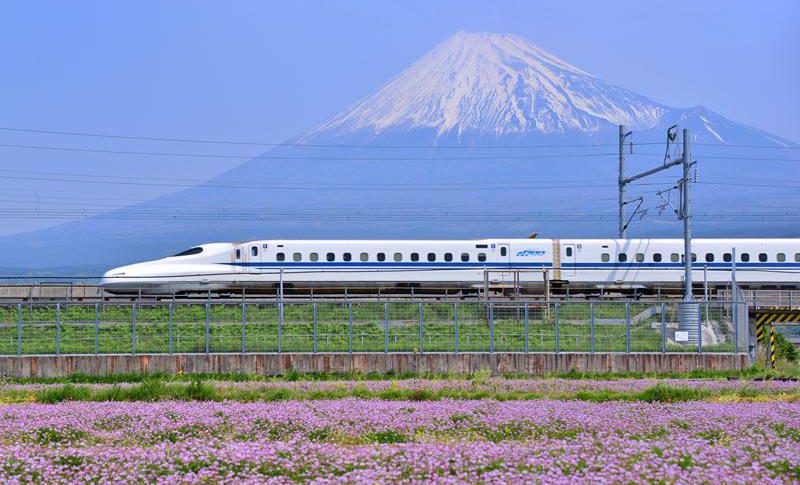
The Tokaido Shinkansen has run beneath Fuji's eastern flank since October 1964, and in more than six decades of service the line has never recorded a passenger fatality from a derailment or collision.
That statistic sits oddly beside the mountain it passes: a stratovolcano that last erupted in 1707, scattering ash across Edo for sixteen days. Speed and dormancy, engineered precision and geological patience — the two share a corridor.
Fuji-san rises 3,776 metres, the highest point in Japan and, since June 2013, a UNESCO World Heritage Site listed not for its geology but as a cultural property: a sacred place and source of artistic inspiration. The designation acknowledges what Hokusai understood in the 1830s, when the Thirty-Six Views fixed the cone's profile in the global imagination. Shugendo ascetics climbed it as pilgrimage centuries before that. The Sengen shrines at its base, dedicated to Konohanasakuya-hime, still mark the old routes upward.
What a modern tokyo to mt fuji bullet train tour compresses is distance rather than meaning. Shinkansen services reach the Fuji corridor in roughly the time it takes to finish a bento, and rail connections onward carry visitors to the Fuji Subaru Line 5th Station at 2,300 metres — the trailhead where the Yoshida route begins. From there the treeline thins into volcanic scoria, and the Aokigahara forest spreads below as an unbroken green mat over hardened lava.
Hakone, on the southern approach, offers the counterweight. Its caldera holds Lake Ashi, the sulphur vents of Owakudani, and an onsen tradition running back to the eighth century. A mt fuji & hakone tour with bullet train threads both landscapes in a single arc, while a mount fuji bullet train day trip favours the summit road and the Fifth Station crater views. Either shape of mt fuji train tour trades on the same geometry: a symmetrical cone visible, on clear mornings, from more than a hundred kilometres away.
The mountain remains an active volcano under continuous monitoring. Access to the upper routes is regulated during the climbing season, with a 4,000 JPY mandatory hiking fee per person supporting conservation and safety infrastructure. Well-chosen mt fuji bullet train tour tours build around that framework rather than against it, and the better mt fuji bullet train tickets treat the constraint as part of the itinerary. Fuji is not scenery passed at 285 km/h. It is a destination that still sets its own terms.
Speed and dormancy, engineered precision and geological patience — the two share a corridor.
Sturdy hiking boots are essential for mountain terrain. Wear moisture-wicking layers as temperatures drop significantly near the summit of Mount Fuji.
Keep baggage light as hiking paths are steep. Security checks may occur at the Fuji Subaru Line 5th Station entrance.
Photography is permitted on public trails. Drones are strictly prohibited to protect the UNESCO heritage environment.
The area is suitable for older children with hiking experience. Parents should closely monitor kids, as the altitude can cause fatigue.
The 5th Station is accessible via bus, but mountain trails are unpaved and physically demanding. Visitors with mobility constraints should remain at the station observation areas.
Carry sufficient water and high-energy snacks. Dispose of all waste in designated bins to maintain mountain cleanliness.
Opening Hours
03:00–14:00
Address
Fuji Subaru Line 5th Station, Narusawa, Minamitsuru District, Yamanashi 401-0320, Japan
Hiking Access
Mandatory 4,000 JPY fee during climbing season
Best Arrival
03:00–14:00 to avoid gate closures
Storage
Limited lockers at 5th Station
Official Site
https://www.fujisan-climb.jp
Public transport · 2-3h · Varies by rail pass
Take the Fuji Excursion train to Fujiyoshida or Kawaguchiko station. From there, board a local bus to the Fuji Subaru Line 5th Station.
Cancellations for an mt fuji bullet train tour must be requested within the operator's specified window to receive a partial or full refund. Mandatory conservation fees of 4,000 JPY are generally non-refundable once processed.
Recommended time
Full day
A well-planned mt fuji bullet train tour requires a full day to navigate from Tokyo to the Fuji Subaru Line 5th Station and the Hakone volcanic valley. Arriving early allows you to explore the trailhead and observation deck before regional bus transfers become congested. Most travelers find that securing mt fuji bullet train tour tickets in advance simplifies the transit, while the afternoon often sees increased foot traffic near the souvenir shops and alpine cafes. Those booking mt fuji bullet train tour tours should anticipate additional time for the scenic ropeway and lake cruises that define this regional exploration.
Crowd levels through the day
Weather · crowds · average price — dots go green to amber to red as each metric rises.
July and August offer the best weather for accessing high-altitude trails. Temperatures remain cool compared to Tokyo.
Arrive between 03:00–14:00 to manage summit access and crowds. This ensures you comply with the mountain arrival recommendations.
Mount Fuji last erupted in December 1707. The Hoei eruption buried Edo, sixty miles east, under ash. Pilgrims read the mountain as a deity rather than a hazard. By the eighteenth century the Fujikō confraternities were sending thousands of white-robed climbers up the ash cones each summer, guided by *oshi* lodging-masters in Fujiyoshida whose wooden guesthouses still line the old approach road. Women were barred from the summit until 1872, when the Meiji government lifted the prohibition; Lady Fanny Parkes, wife of the British minister, had already climbed in 1867 in defiance of it. Hakone's history is administrative rather than sacred. The Tokugawa shogunate established the Hakone Sekisho checkpoint in 1619 to police movement along the Tōkaidō highway, inspecting outbound women and inbound firearms. The stone-paved cedar avenue survives near Moto-Hakone. Sulphur has been mined at Ōwakudani since the Meiji period, and the black eggs boiled in its springs remain the valley's signature. The Fujiya Hotel opened in Miyanoshita in 1878, one of Japan's first Western-style hotels, hosting Charlie Chaplin in 1932 and John Lennon in 1978. The railway changed everything. The Tōkaidō Shinkansen opened on 1 October 1964, days before the Tokyo Olympics, compressing a two-day journey to under an hour and making the modern mt fuji bullet train tour structurally possible. Fuji Subaru Line reached the Fifth Station in 1964 as well, delivering cars to 2,300 metres. UNESCO inscribed Fujisan as a Cultural Site — not a natural one — in June 2013, citing its role in art and pilgrimage. That designation shapes how mt fuji bullet train tour tickets are framed today: as access to a sacred landscape under pressure. Yamanashi Prefecture introduced gate controls and a daily climber cap in 2024. Any Mount Fuji and Hakone tour now moves through a system built to protect what pilgrimage began.
The Hoei eruption opened a crater on Fuji's southeastern flank and dusted Edo with volcanic ash.
The Tokugawa shogunate built the Hakone Sekisho checkpoint to control traffic on the Tōkaidō highway.
Fujikō pilgrimage confraternities organised mass summer ascents guided by oshi lodging-masters at Fujiyoshida.
The Meiji government repealed the ban on women climbing Mount Fuji.
The Fujiya Hotel opened at Miyanoshita, among the earliest Western-style hotels in Japan.
The Tōkaidō Shinkansen and the Fuji Subaru Line both opened, transforming access to the region.
UNESCO inscribed Fujisan as a World Cultural Heritage Site for its artistic and religious significance.
Yamanashi Prefecture introduced gate controls and a daily cap on climbers using the Yoshida Trail.
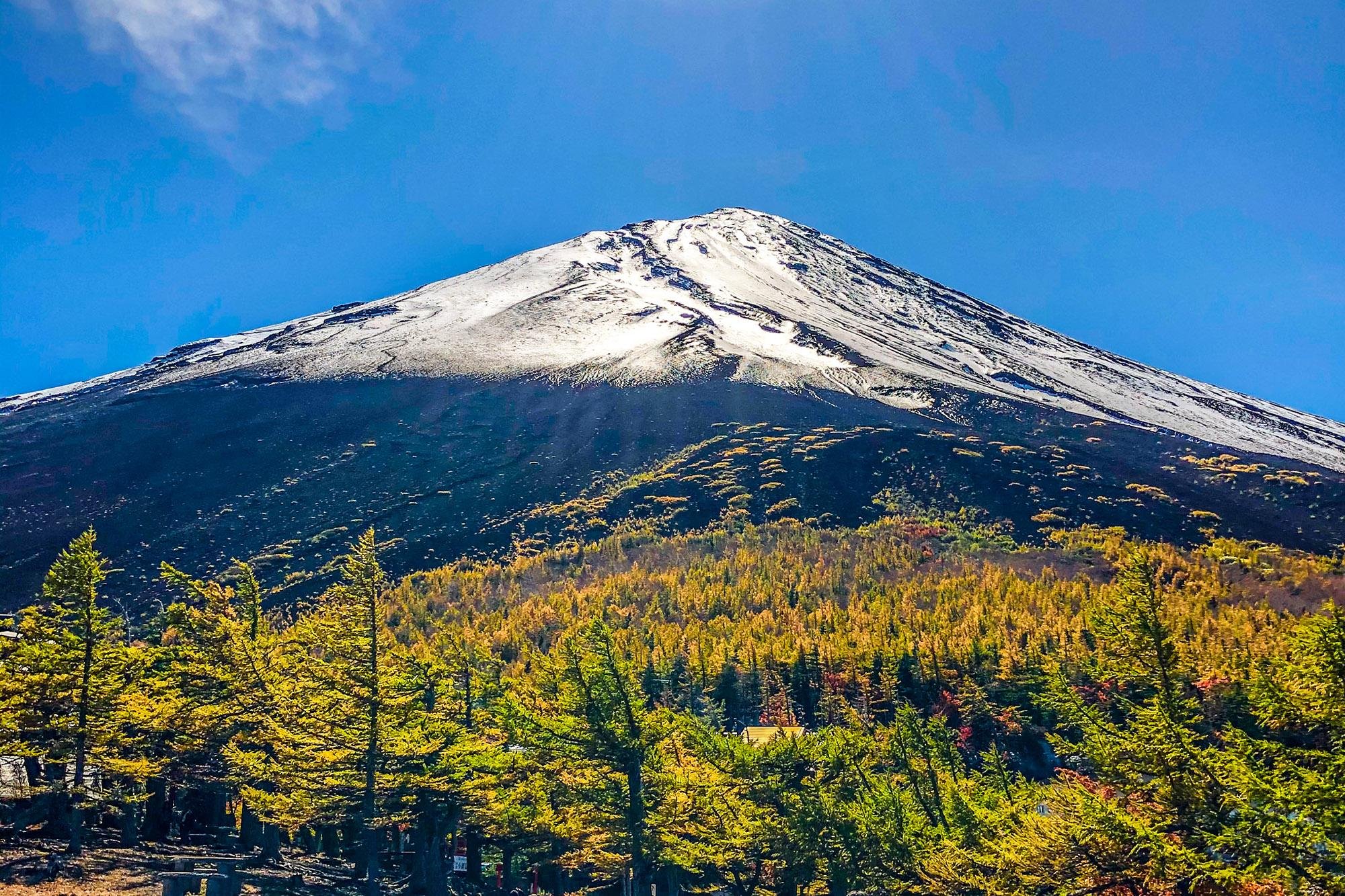
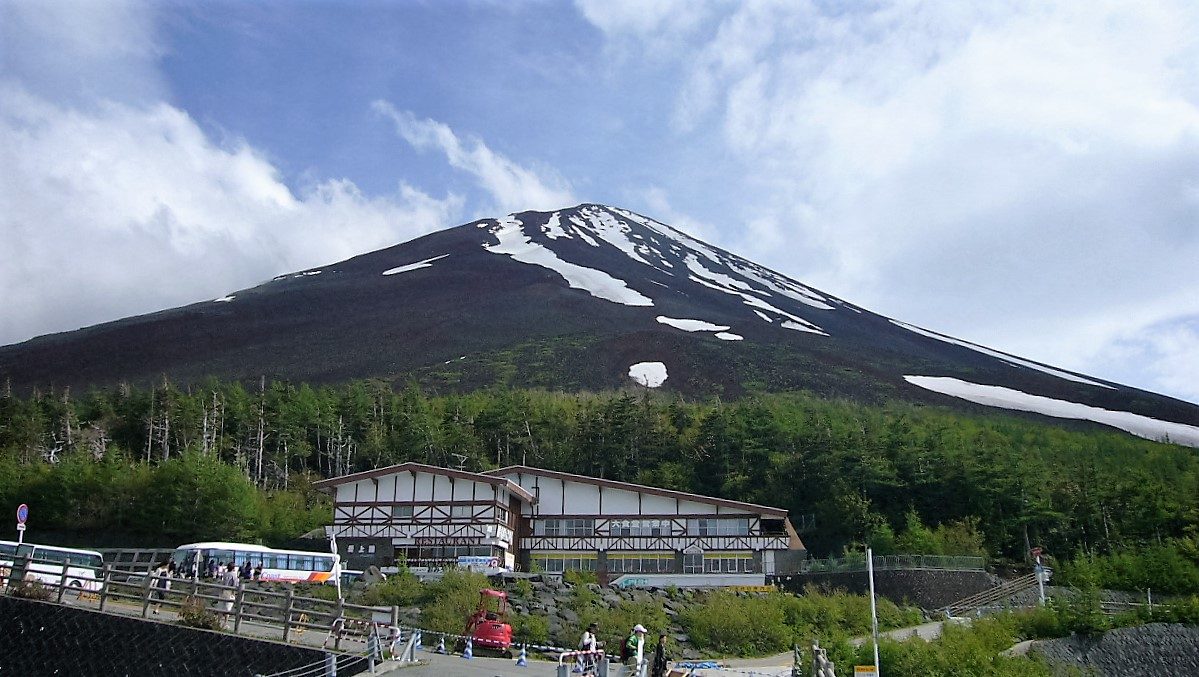
Stand near the trailhead entrance to capture the volcanic slope extending toward the sky. This location is a highlight for those on a mt fuji bullet train tour who want a close perspective of the peak.
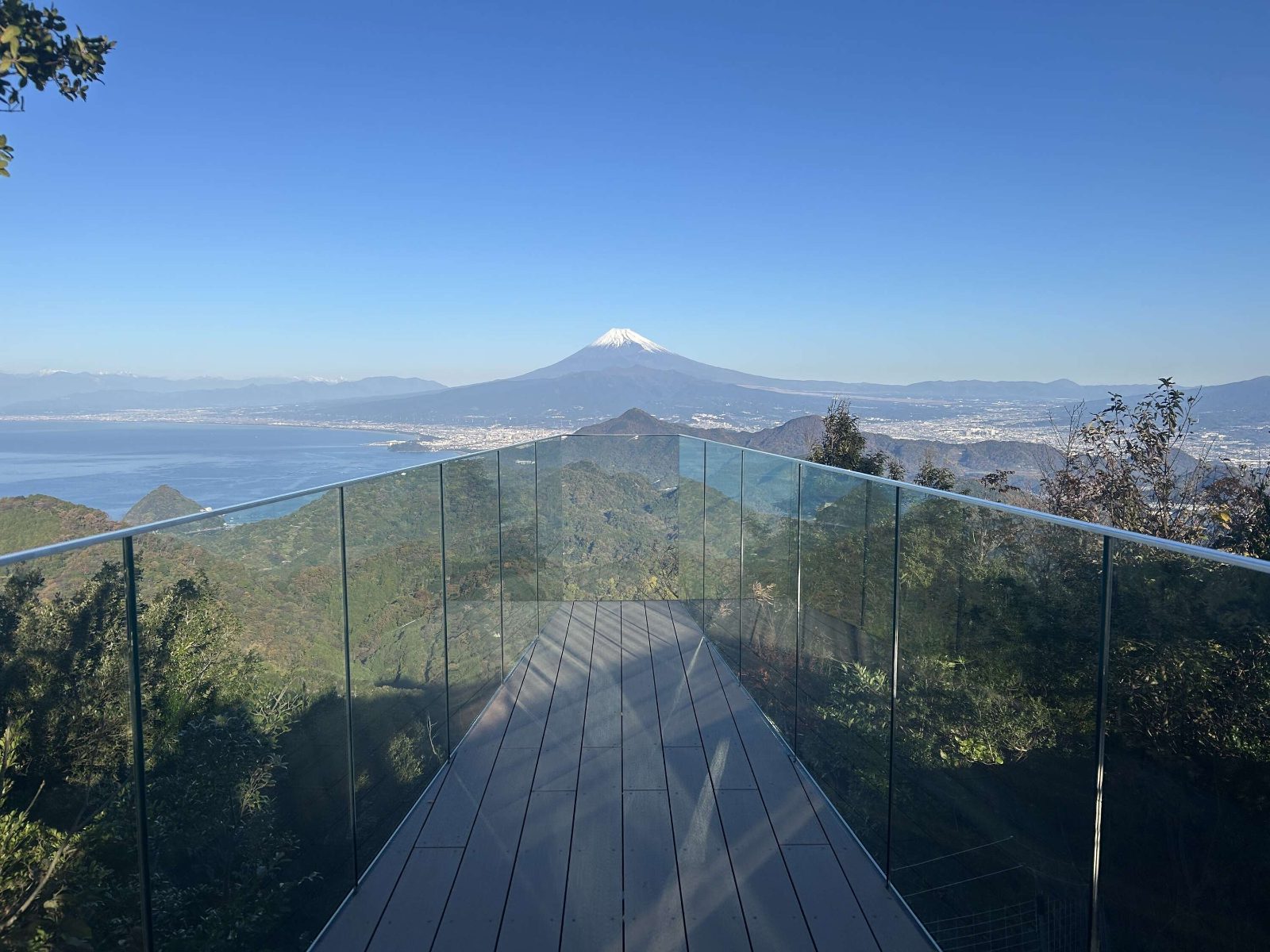
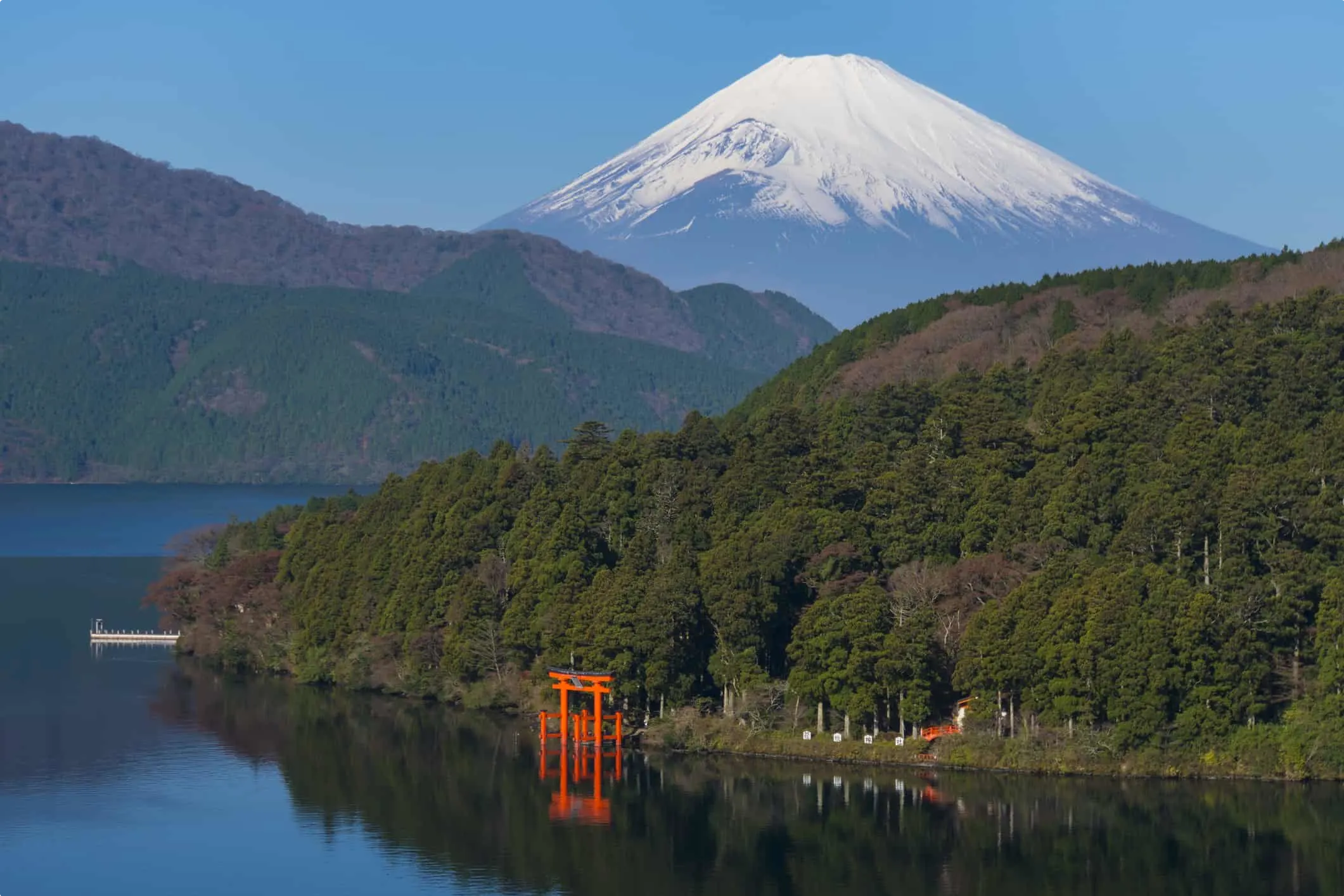
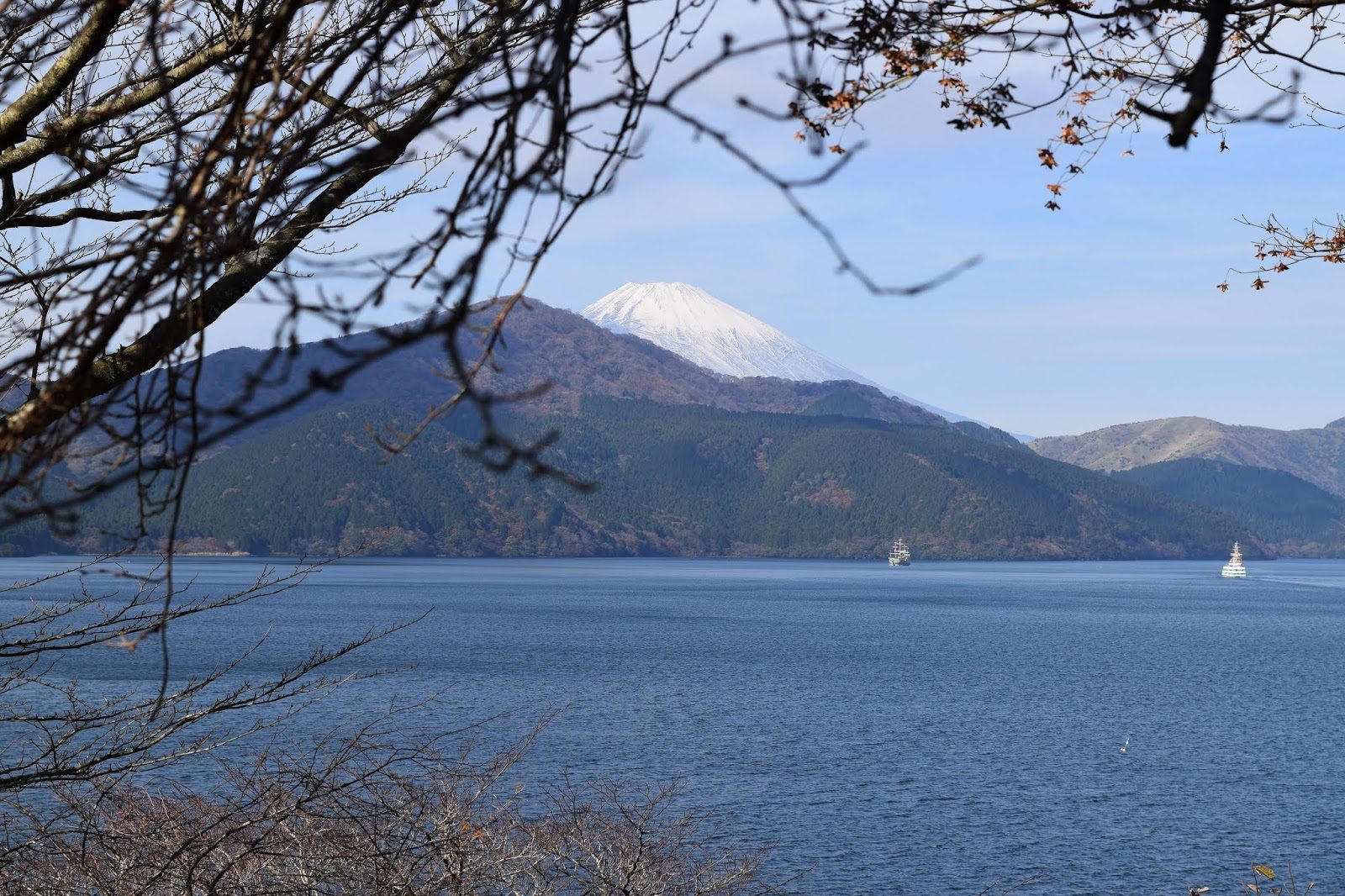
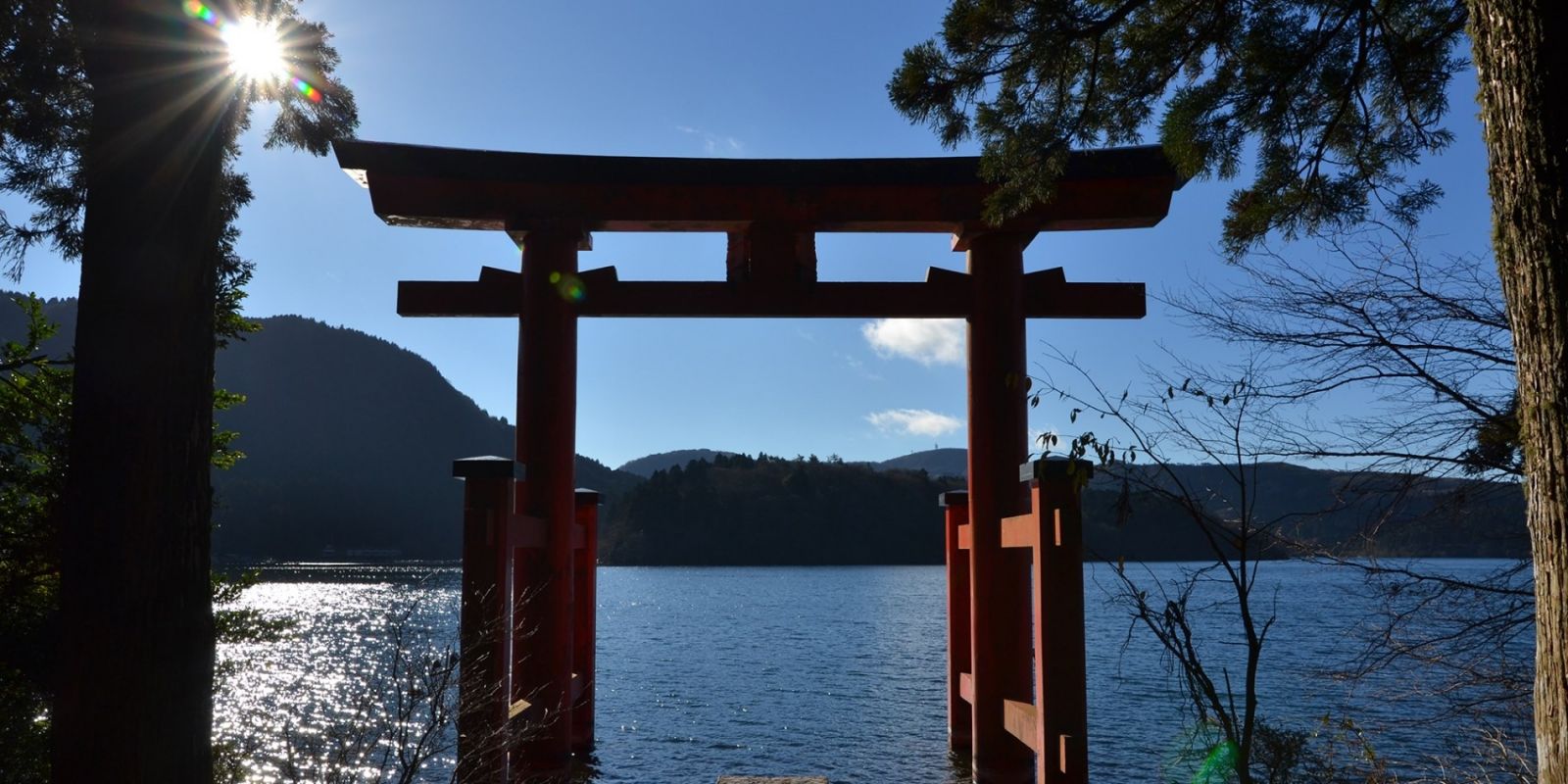
Capture the classic reflection of the mountain across Lake Ashi from the pier area. This spot offers a tranquil composition incorporating traditional torii gates and excursion ships.
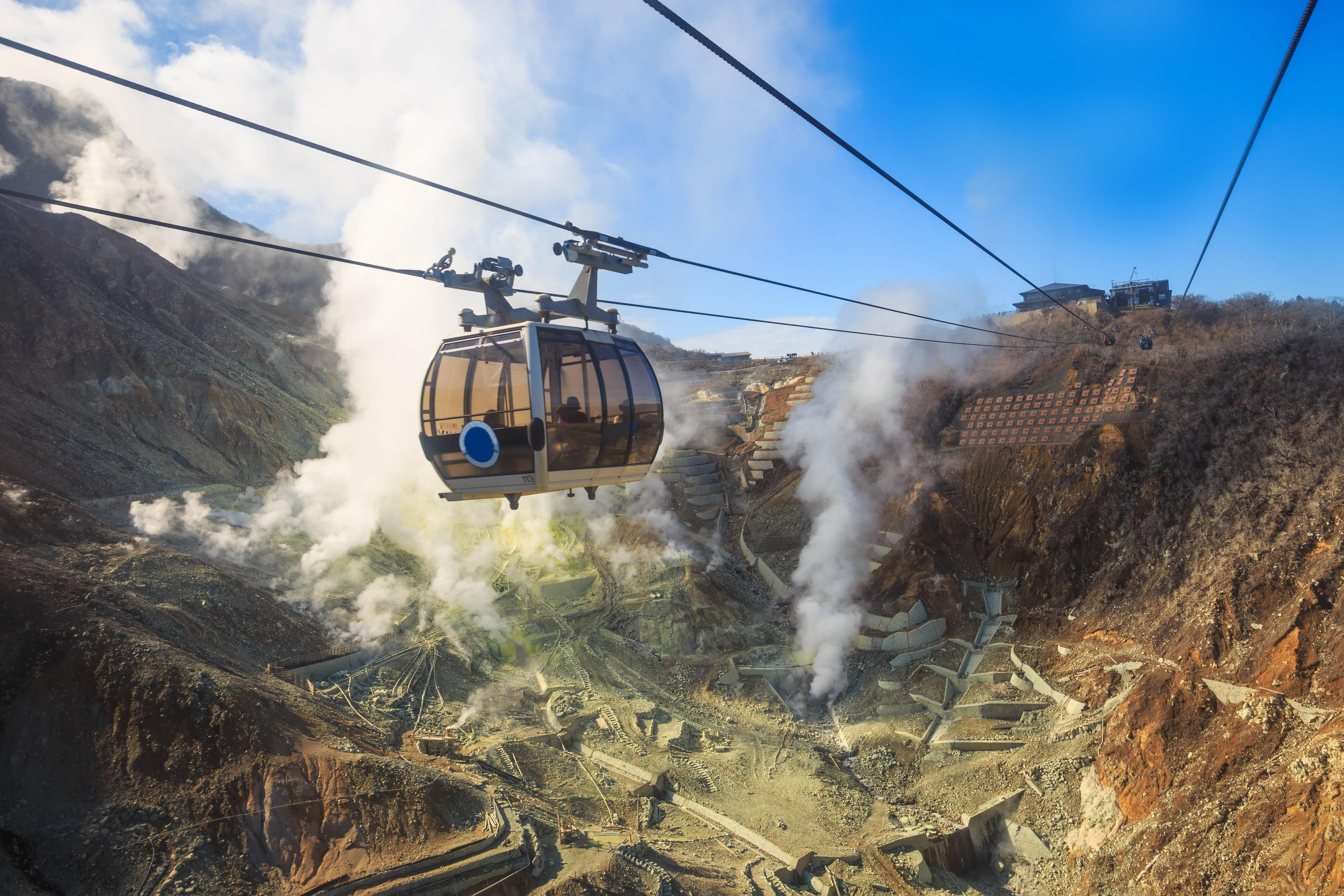
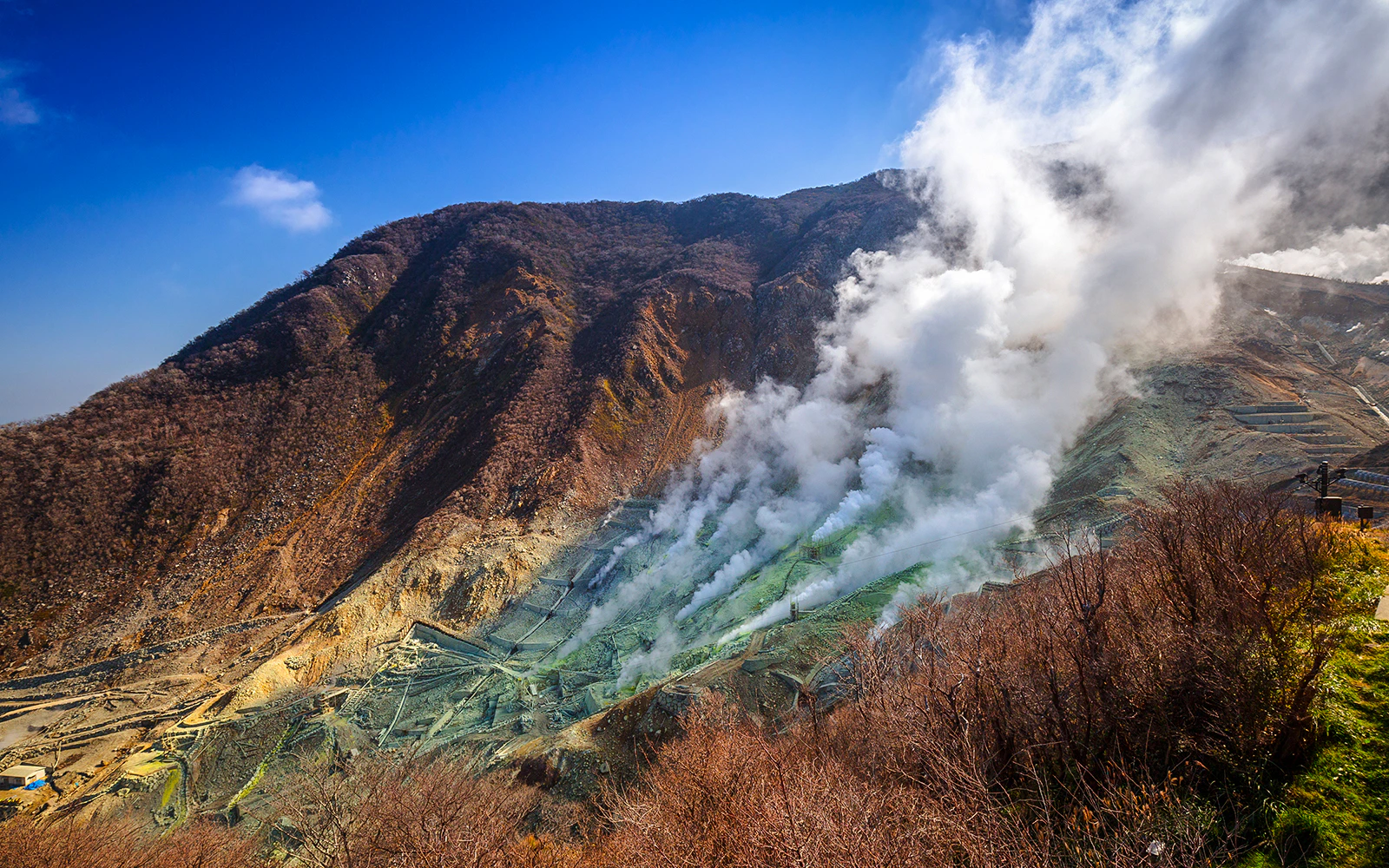
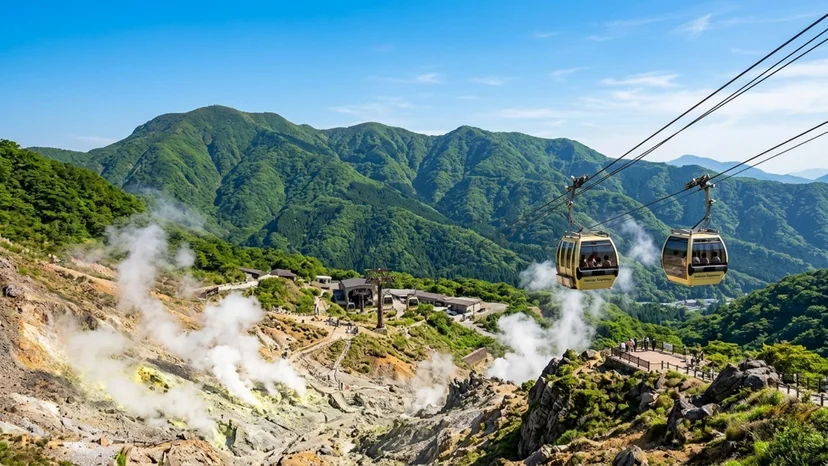
Focus your lens on the contrast between the white sulfur clouds and the distant dormant volcano. It is a popular vantage point for travelers seeking mt fuji bullet train tour tours shots.
Frame the mountain through the pine trees from the garden paths overlooking the water. It provides a structured view typical of regional landmarks visited during a mt fuji bullet train tour tour.
Finding quality meals while traveling near your mt fuji bullet train tour is straightforward, with several reliable dining spots available directly at the Fuji Subaru Line 5th Station. For those continuing their journey, Hakone offers diverse culinary experiences, making it easy to secure mt fuji bullet train tour tickets and pair them with regional delicacies.
Located right at the trailhead, this spot offers warm noodles and curry that serve as excellent fuel before you head out on your mt fuji bullet train tour tour. It is often busy during midday, so arriving early is wise.
This facility provides hearty set meals with views of the surrounding peaks, perfect for a sit-down break while waiting for your mt fuji bullet train tour tours to depart. The menu focuses on local Yamanashi ingredients and comfort food.
Situated near the main Hakone transit hub, this bakery is ideal for grabbing artisanal sandwiches and pastries. It is a convenient choice for travelers needing a quick bite before utilizing their transit connections.
Real experiences from real travelers
We left Tokyo Station just after seven and the mt fuji bullet train tour had us at the Fifth Station before the morning haze burned off, which our guide said is the whole reason for the early departure. The air up at 2,300 metres was cool enough for a light jacket even in July, and you could hear the wind moving through the larch. Bring cash for the small shrine stamp desk, the card reader was down.
As a Tokyo resident I rarely book guided things, but my parents were visiting and the 富士山新幹線ツアー made the logistics painless — reserved seats, no queueing, no map wrangling. The Hakone Ropeway section over Owakudani smelled strongly of sulphur, which surprised my mother, though the view of the crater was worth the ten minutes of it. Guide spoke both languages and never rushed anyone.
The Mount Fuji and Hakone tour is a lot of ground to cover but it never felt like a race. Standing at the torii gate on Lake Ashi around four in the afternoon, the water was completely flat and the cedars behind it were almost black against the light. Our small group was eleven people, which is about right for a day like this.
Solid value overall and the shinkansen leg back to Tokyo was quiet and comfortable after a long day on our feet. Cloud rolled in around two so the summit was hidden from the Fifth Station, which nobody can control, but the Chureito Pagoda stop earlier had given us a clear view. If you are tall, note the coach seats between stops are snug.
Our mt fuji bullet train tour guide met us on the concourse holding a small yellow sign and had the whole group through the gates within four minutes, which set the tone. August humidity in the lowlands was heavy but the mountain air at the Fifth Station was properly cool and dry. The black eggs at Owakudani taste like ordinary boiled eggs, in case anyone is wondering.
Went in early March and the cone still had deep snow, which made the view from the Kawaguchiko side extraordinary. Booking a Mount Fuji day tour by shinkansen meant we were back at Shinagawa well before dark instead of stuck in the expressway crawl. Our guide, Kenji, pointed out the tea fields flashing past the window on the way out and knew exactly which side of the carriage to sit on.
Cold, bright, and almost no crowds — January turned out to be the sharpest air I have seen anywhere. The Hakone leg with the ropeway and the lake crossing was the part my kids talked about afterwards, more than the mountain itself. Layers matter, the wind at the top of the ropeway cuts straight through a hoodie.
Doing Mount Fuji landmarks in one day sounds absurd until you sit on a train doing 270 km/h and realise it works. The mt fuji bullet train tour tickets covered every transfer, so I never once fumbled with an IC card or a ticket machine. Autumn colour around Lake Ashi was near peak and the maples along the shoreline were deep red.
We had thick cloud all morning and I had written the summit off, then it cleared completely around three and the whole cone appeared. The guide adjusted the order of stops on the fly to chase the weather, which I appreciated more than any script. Comfortable shoes, there is more walking than the description suggests.
Mid-April at the pagoda with blossom still on the branches and the mountain behind it is the reason people book these mt fuji bullet train tours in the first place. Our group of nine moved quickly, and the skip-the-line Mount Fuji ropeway entry saved what looked like a forty-minute wait. If you only have one full day outside Tokyo, this mt fuji bullet train tour is the sensible way to spend it.
Everything you need to know for your journey
The 5th Station is open from 03:00–14:00 daily.
Yes, there is a mandatory 4,000 JPY hiking fee per person for access during the season.
Accessibility is limited to the 5th Station, as mountain trails are steep and rugged.
You are encouraged to bring water and snacks but must carry out all your own trash.
The best arrival window is 03:00–14:00 to avoid gate closures and climber limits.
No, drones are prohibited to preserve the environment and ensure safety.
Check your specific operator policy as mountain tours may be suspended for safety.
You can take a local bus from the rail station to the Fuji Subaru Line 5th Station.
Children with hiking experience are welcome, but the altitude may be difficult for young ones.
Check the specific cancellation policy provided with your mt fuji bullet train tour tickets for refund details.
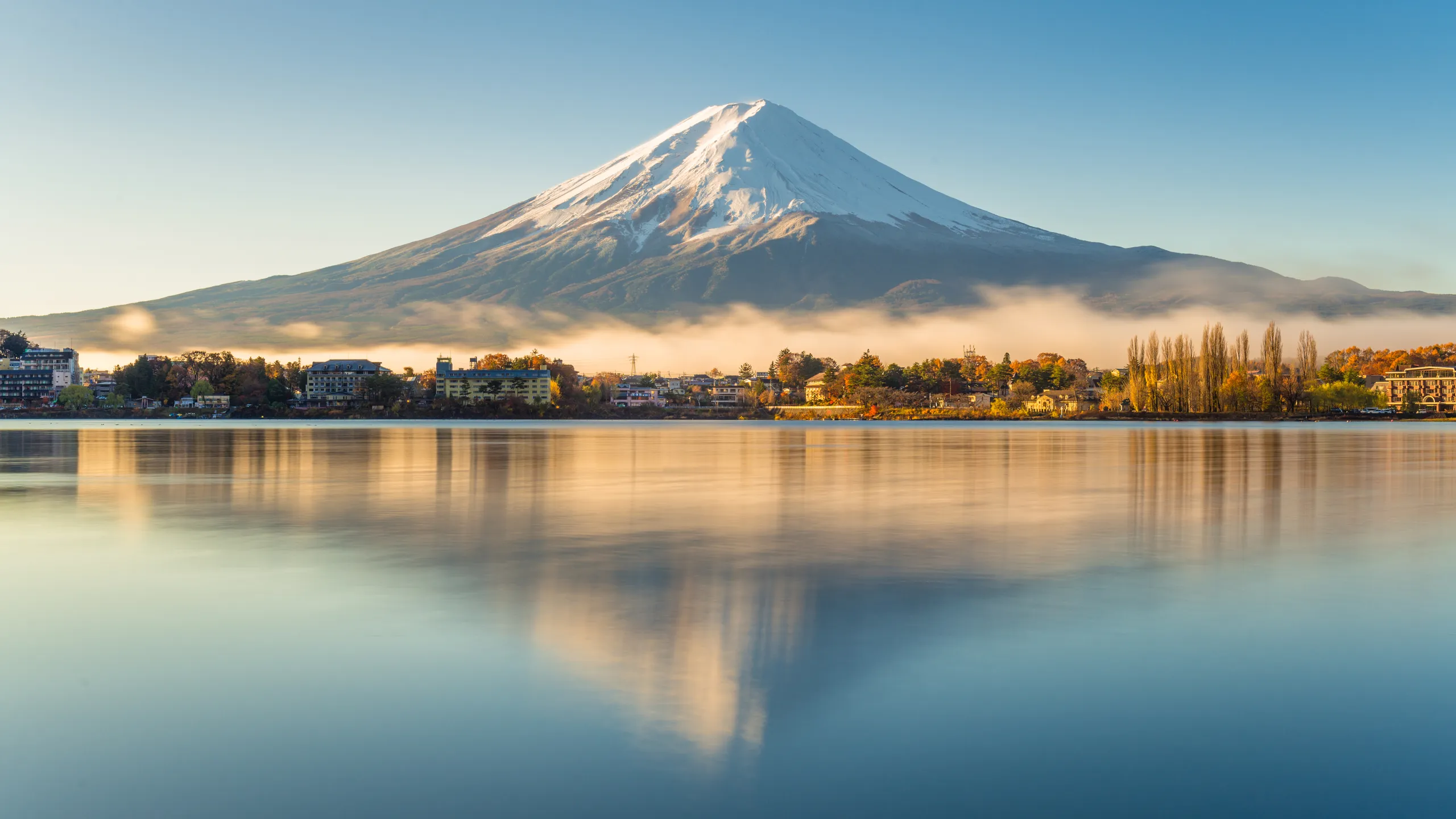
Stunning lake views with mountain reflections.
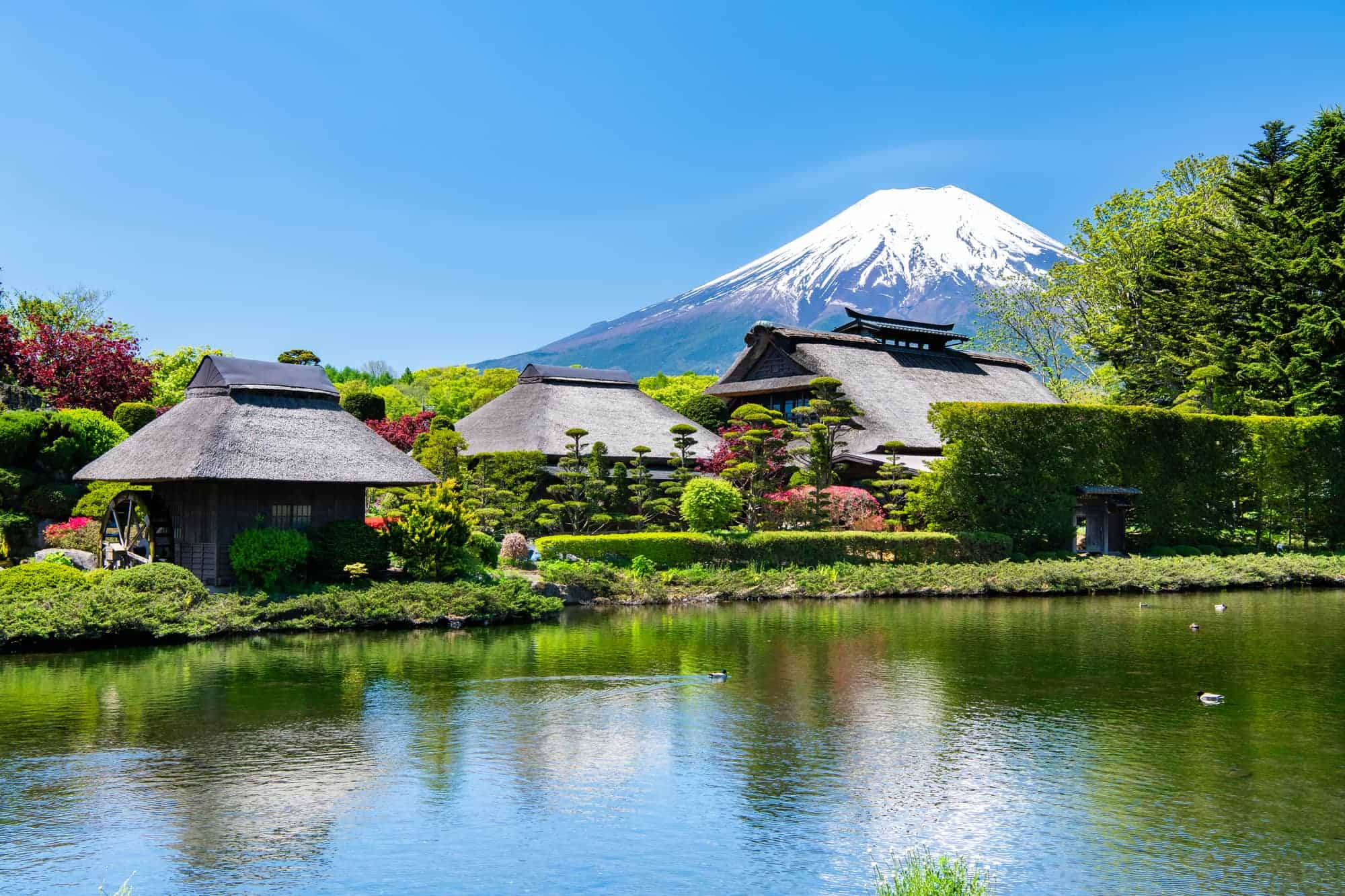
Traditional village with clear natural ponds.
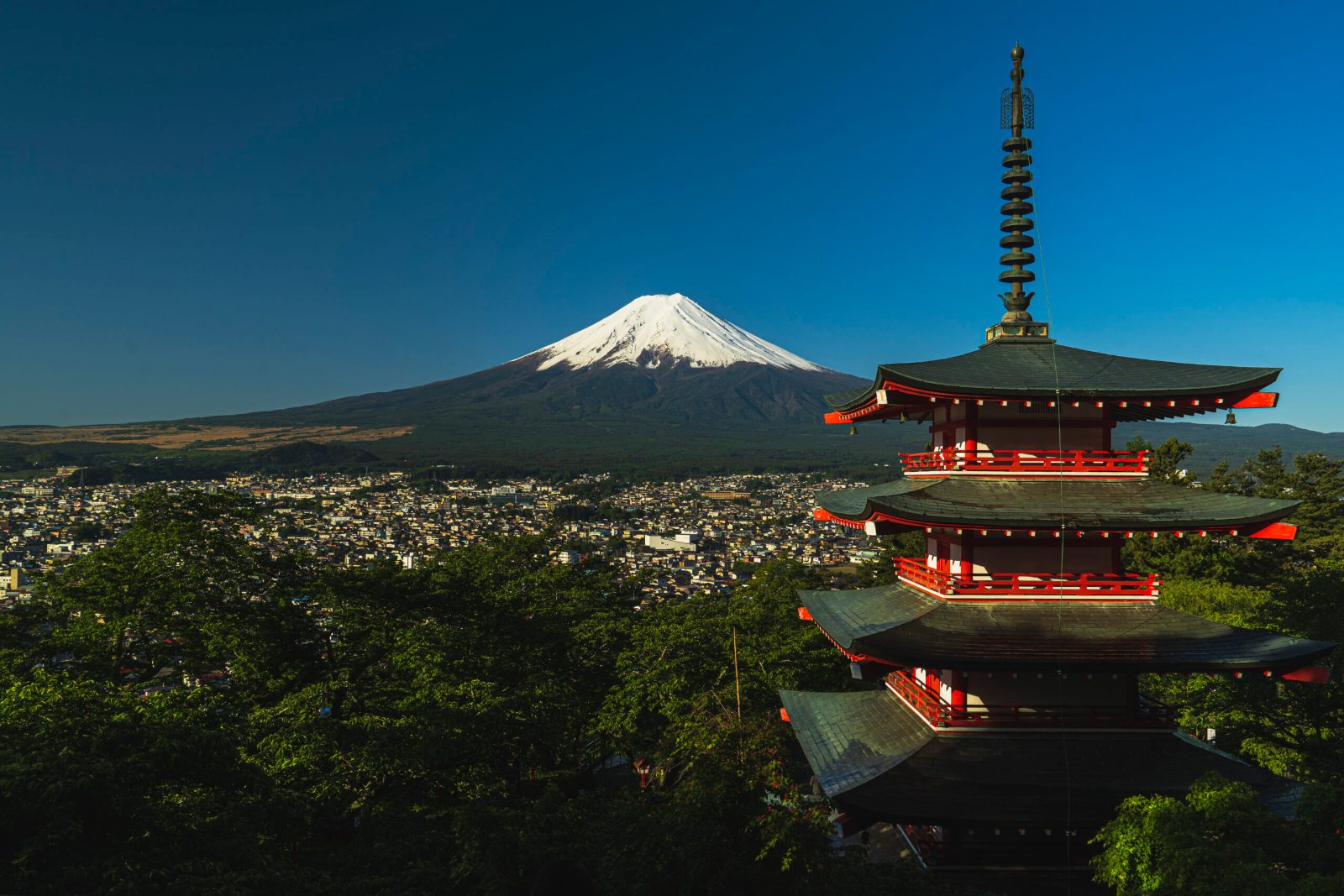
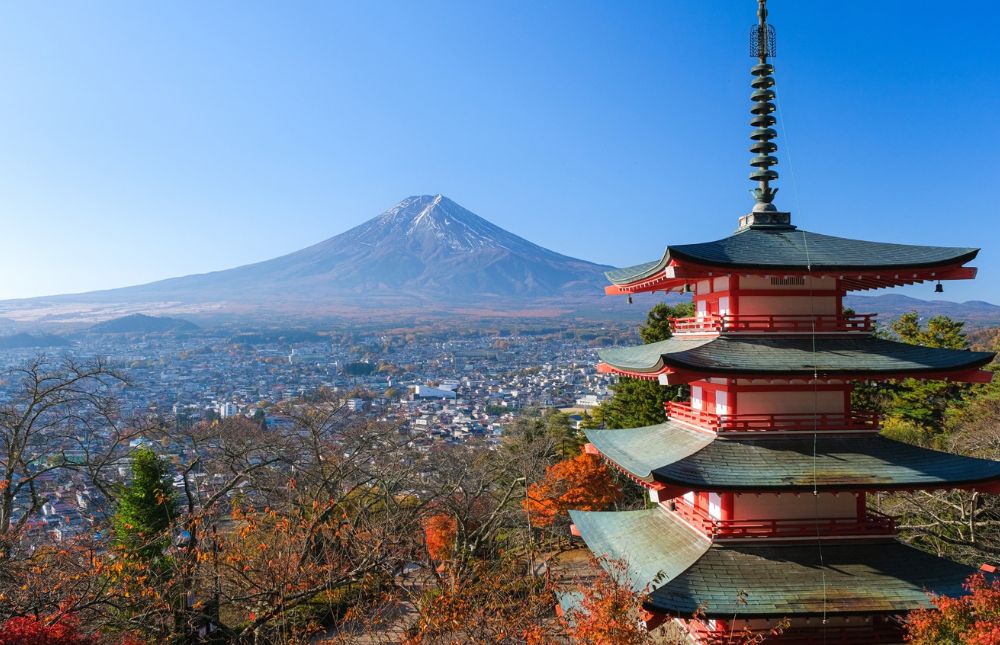
Iconic five-story pagoda overlooking the region.
Variety of mountain-view lodging options.
Traditional Japanese inns with hot springs.
Join thousands of happy travelers who have discovered this incredible experience
Book Your Experience Now