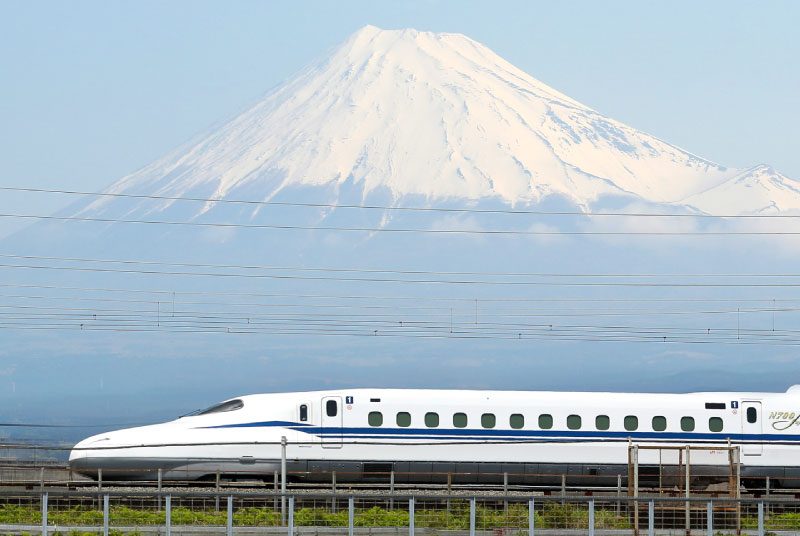
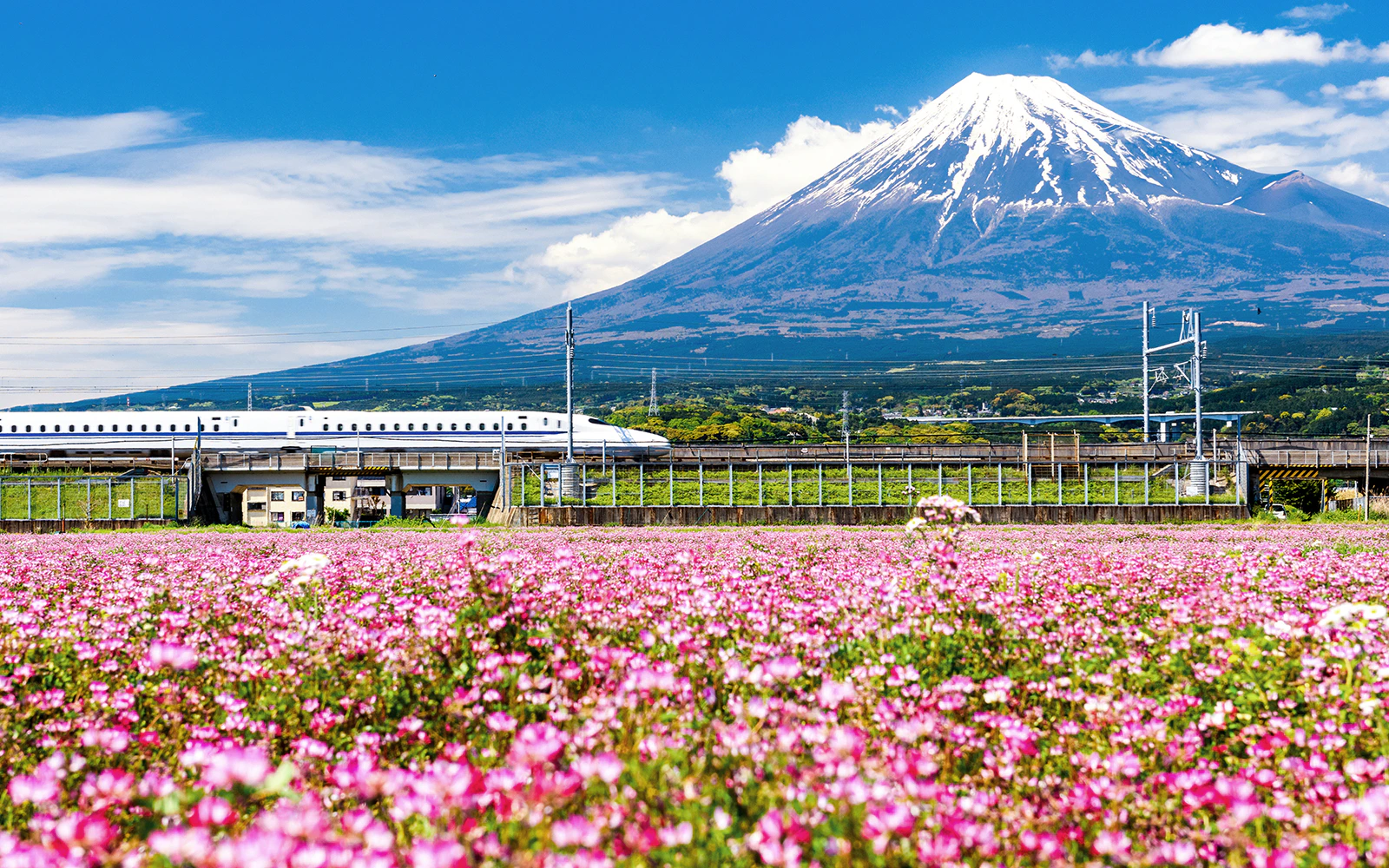
English| EUR
Suggested for you
More currencies
Book Now
Open today · 09:00–17:00

Mt Fuji & Hakone Tour With Bullet Train

Mt Fuji & Hakone Tour With Bullet Train — Ropeway, Lake Ashi & Shinkansen Return

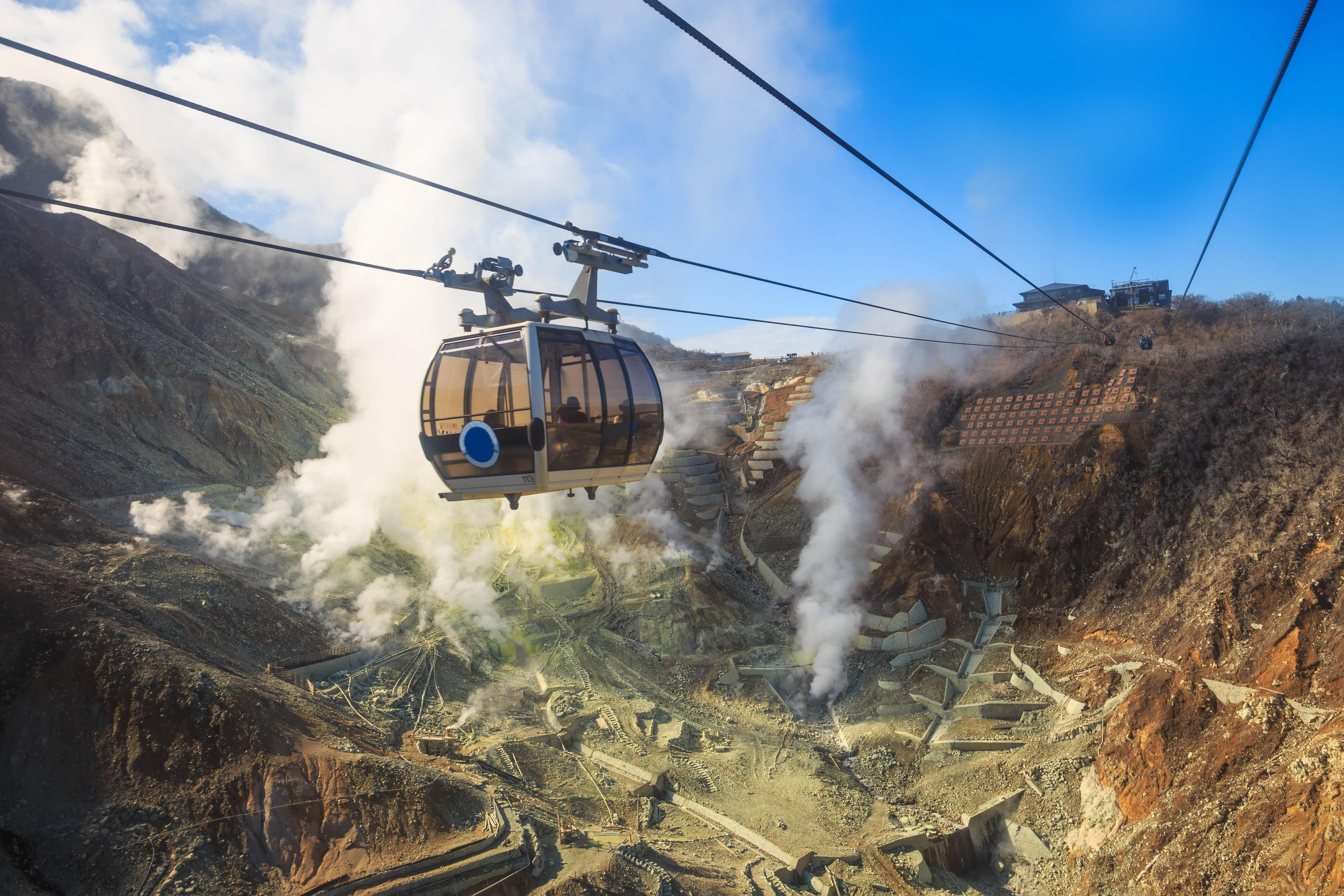
Volcanic steam above Owakudani, a silver train home at dusk.

50K+ travelers chose this
Free Cancellation
Right now: Moderate — summer peak Expect high temperatures and humidity during midday hours.
Free Cancellation
Free cancellation Instant confirmation Mobile voucher Verified partner Book now, pay later
3,776m
Mt. Fuji Height
Japan's tallest peak
4km
Ropeway Length
Aerial tramway scenic route
2,000 JPY
Entry Fee
One-way Hakone Ropeway fare
4 Stations
Ropeway Stops
Includes Sounzan and Togendai
Choose your ticket

Mt Fuji & Hakone Tour With Bullet Train tickets at a glance

Compare fares, pick the fit — all bookings are mobile-voucher and eligible for free cancellation where shown.

Mount Fuji Scenic Circuit: Lakes, Springs & Iconic Viewpoints 10 hr
Guided Experience

Mount Fuji Scenic Circuit: Lakes, Springs & Iconic Viewpoints

4.8 (5539)
€42
  • Expert local guide
  • Small group
  • Skip-the-line access
  • Free cancellation
Book this ticket
Mount Fuji, Hakone Ropeway & Bullet Train Day Trip from Tokyo 10 hr
Guided Experience

Mount Fuji, Hakone Ropeway & Bullet Train Day Trip from Tokyo

4.4 (5307)
€130
  • Expert local guide
  • Small group
  • Skip-the-line access
  • Free cancellation
Book this ticket
Compare options

Compare Mt Fuji & Hakone Tour With Bullet Train ticket options

Selecting the right mt fuji & hakone tour with bullet train allows you to balance scenic exploration with efficient travel, ensuring you see the iconic landmarks without logistical stress. Whether you prioritize a guided experience or flexible transit, understanding these mt fuji & hakone tour with bullet train tours options helps streamline your day.

Top pick
Guided Day Trip Fully organized with transit
Fuji Hakone Pass Self-guided transit pass
Access method Public trains, buses and ropeway
Major inclusions Unlimited regional transport for 3 days
Bullet train included No (separate purchase required)
Best for Independent travelers wanting flexibility

Verdict: Choose the guided tour if you prefer a stress-free itinerary, or opt for the Fuji Hakone Pass for greater freedom to explore at your own pace.

Is a Mt Fuji & Hakone Tour With Bullet Train Worth the Investment?

Worth it for first-timers short on days

A mt fuji & hakone tour with bullet train bundles a coach out to the Fuji Subaru Line 5th Station, a Hakone Ropeway leg (2,000 JPY one-way if you bought it alone), a Lake Ashi sightseeing cruise and a shinkansen return into one booking. What you are really paying for is the logistics: two prefectures, four transport modes, no timetable juggling. That convenience pays off for first-time visitors on a tight Tokyo itinerary, for families, and for anyone who wants Owakudani's sulphur vents and the shinkansen ride ticked off in a day. Independent travellers comfortable with Odakyu trains and the Hakone Free Pass will do the same loop cheaper. The honest risk is weather — cloud, rain or high winds can hide the mountain entirely or suspend the ropeway, and no operator refunds a grey sky. Fuji sightseeing day tours run rain or shine.

What makes it worth it

  • One booking covers coach, ropeway, cruise and shinkansen
  • Shinkansen return cuts hours off the trip home
  • Ropeway leg alone costs 2,000 JPY separately
  • English-speaking guides handle Yamanashi and Kanagawa transfers
  • Reaches Fuji 5th Station without a rental car

Keep in mind

  • Cloud can hide Mt. Fuji completely, no refund
  • Ropeway suspends in high wind or volcanic gas
  • Fixed group pace limits time at each stop
  • Independent Hakone Free Pass routing costs less

Bottom line: If you have one spare day in Tokyo and no appetite for timetables, mt fuji & hakone tour with bullet train tickets buy back the logistics — just book them knowing the mountain owes you nothing.

Head to head

Mt Fuji & Hakone Tour with Bullet Train vs Private Mount Fuji & Hakone Tour — Which Is Better?

These options complement each other; most visitors who prefer structured itineraries call the mt fuji & hakone tour with bullet train the more efficient choice, while those seeking flexibility favor the private alternative.

Top pick
Bullet Train Group Tour
Private Custom Tour
Group Size 1–6 guests (private vehicle)
Duration 9–10 hours (flexible)
Transport Style Private car door-to-door
Customization Fully tailored to interests
Cost Structure Per group (premium)
Booking Ease Requires pre-arrangement
Inclusions Personal guide; flexible stops

Verdict: Choose the group mt fuji & hakone tour with bullet train tickets if you want a reliable, cost-effective day covering the main landmarks, or opt for the private version if you prefer total control over your schedule and pace.

Featured Experiences

Popular Mt Fuji & Hakone Tour With Bullet Train tours & activities

Hand-picked experiences loved by thousands of travelers

Recommended Experience

Powered by GetYourGuide

Another traveler favorite

Powered by GetYourGuide
Mount Fuji and Hakone Day Trip with Bullet Train Return 10 hours Free Cancellation

Mount Fuji and Hakone Day Trip with Bullet Train Return

Journey to Japan's iconic peak, explore volcanic valleys, cruise Lake Ashi, and speed back on the Shinkansen

4.2 (1623)
FromFrom €98.53
See details
Mount Fuji & Hakone Day Trip with Ropeway 10 hours Free Cancellation

Mount Fuji & Hakone Day Trip with Ropeway

Volcanic valleys, sacred springs, and iconic pagoda views—discover Japan's most breathtaking landscapes in one day

4.9 (351)
FromFrom €42.32
See details
Mount Fuji & Hakone Full-Day Adventure with Bullet Train Return 10 hours Free Cancellation

Mount Fuji & Hakone Full-Day Adventure with Bullet Train Return

Discover Japan's iconic mountain, volcanic valleys, and serene lakes on this comprehensive Hakone day trip.

4.3 (751)
FromFrom €94.03
See details
Mount Fuji Day Trip with Ropeway, Oishi Park & Chureito Pagoda 10 hours Free Cancellation

Mount Fuji Day Trip with Ropeway, Oishi Park & Chureito Pagoda

Experience Japan's iconic peak from multiple vantage points on this full-day guided adventure

4.9 (558)
FromFrom €42.32
See details
Mt. Fuji & Hakone Day Trip with Bullet Train Return 10 hours Free Cancellation

Mt. Fuji & Hakone Day Trip with Bullet Train Return

Discover Japan's iconic volcano, cruise Lake Ashi, ride the ropeway, and return via high-speed rail

4.8 (14)
FromFrom €135.64
See details
Private Mount Fuji & Hakone Day Trip with Shinkansen Return 10 hours Free Cancellation

Private Mount Fuji & Hakone Day Trip with Shinkansen Return

Discover Japan's most celebrated mountain and volcanic hot springs on a customizable private excursion

4.9 (10)
FromFrom €236.01
See details
What you'll see

What you'll see at Mt Fuji & Hakone Tour With Bullet Train

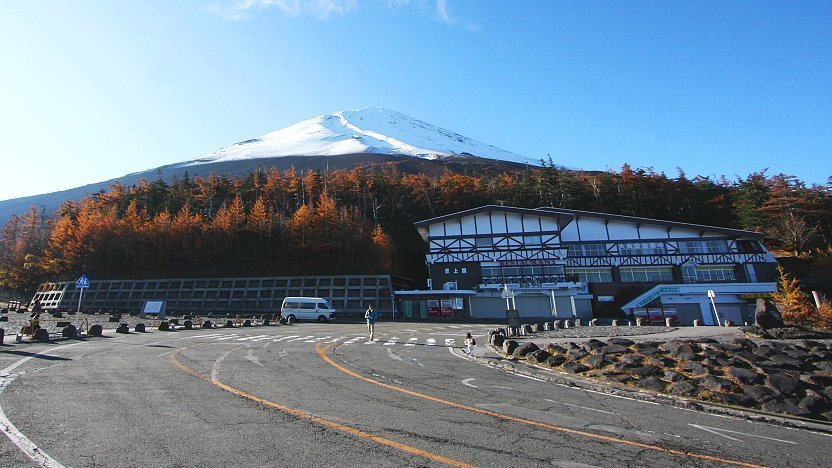
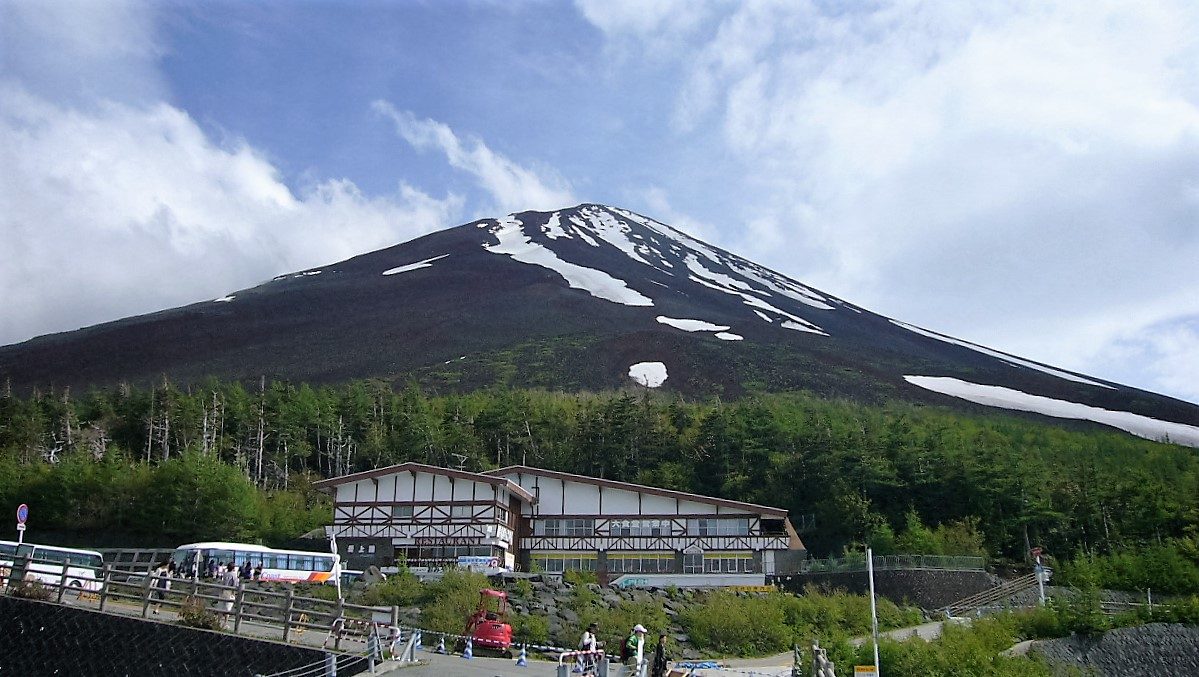
Fuji Subaru Line 5th Station

Fuji Subaru Line 5th Station

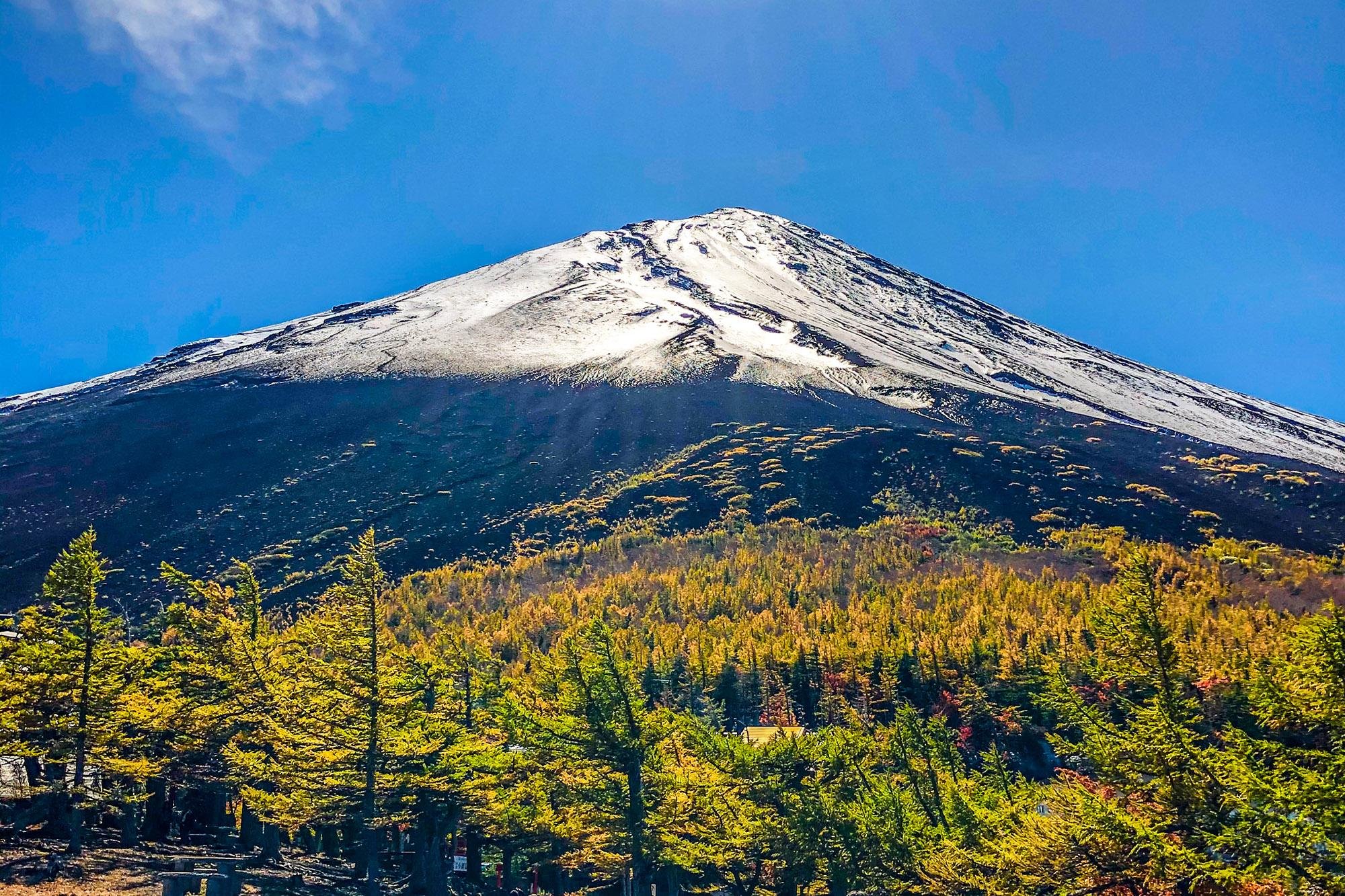
Located at 2,305 meters, this is the highest point accessible by road on Mt. Fuji.

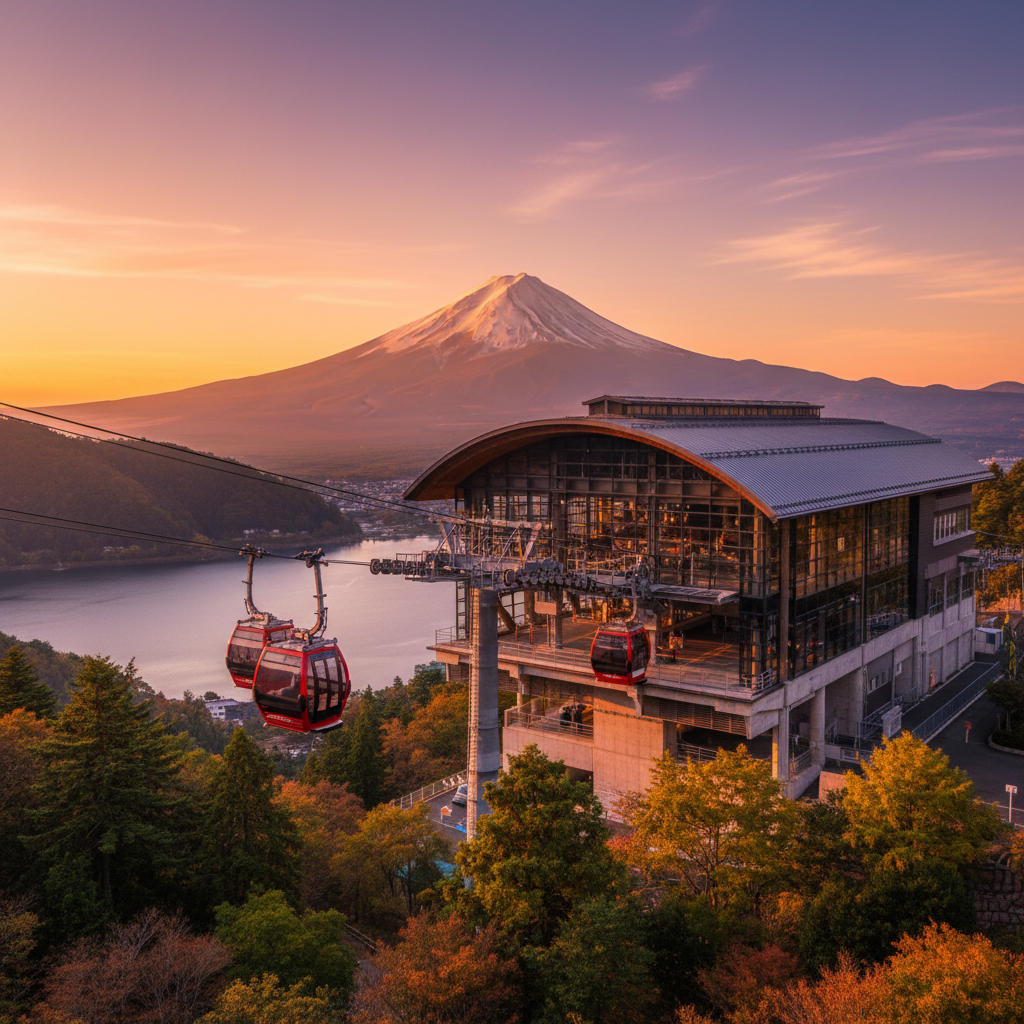
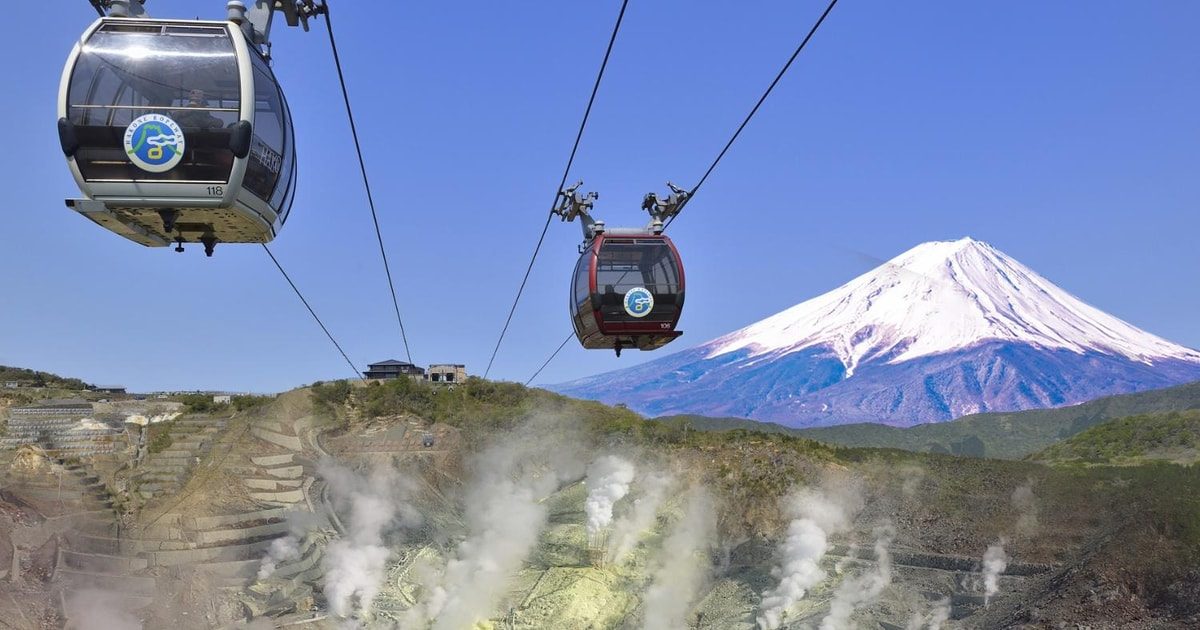
Hakone Ropeway

Hakone Ropeway

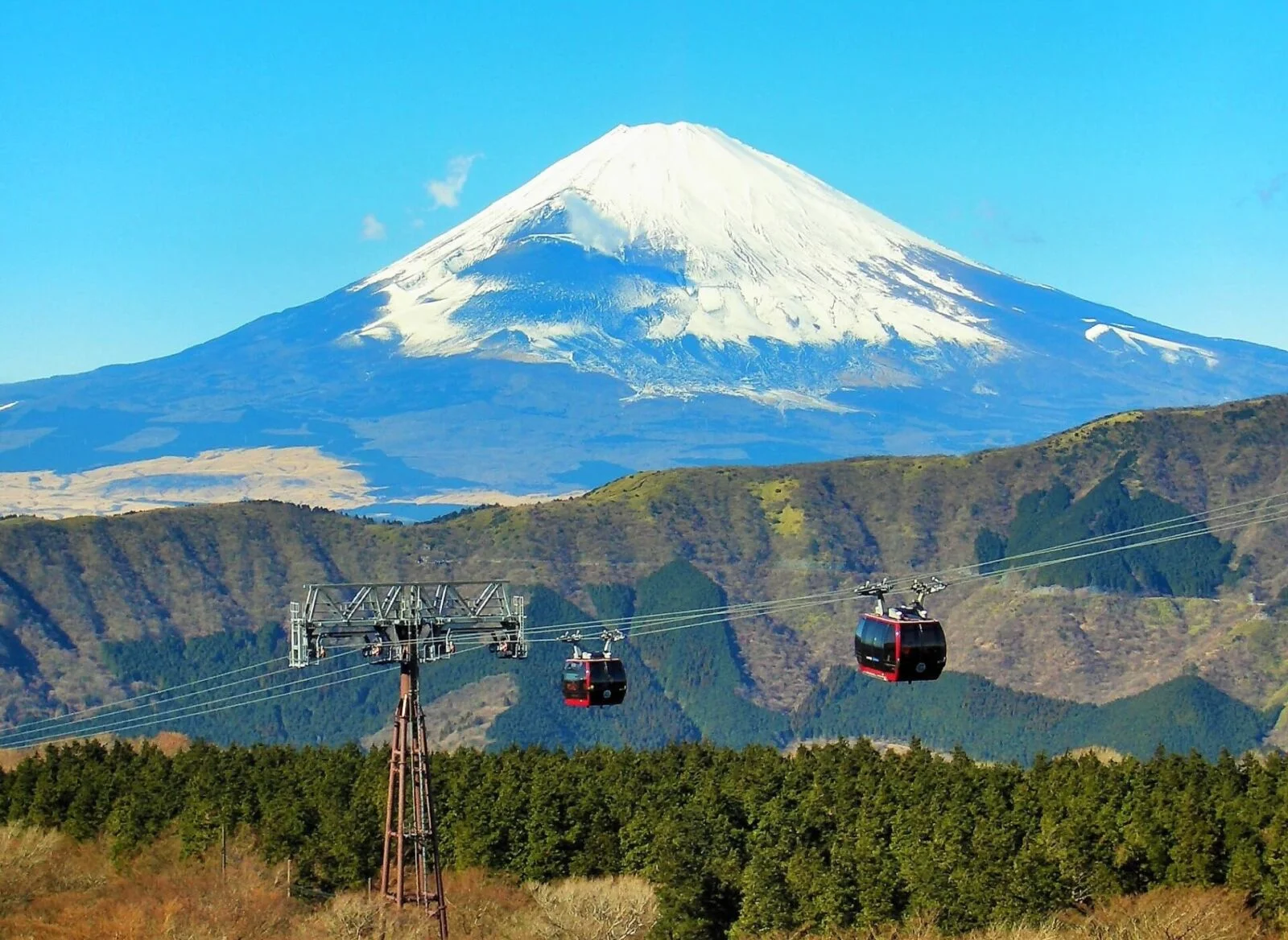
The ropeway spans the volcanic Owakudani Valley, offering a 30-minute journey.

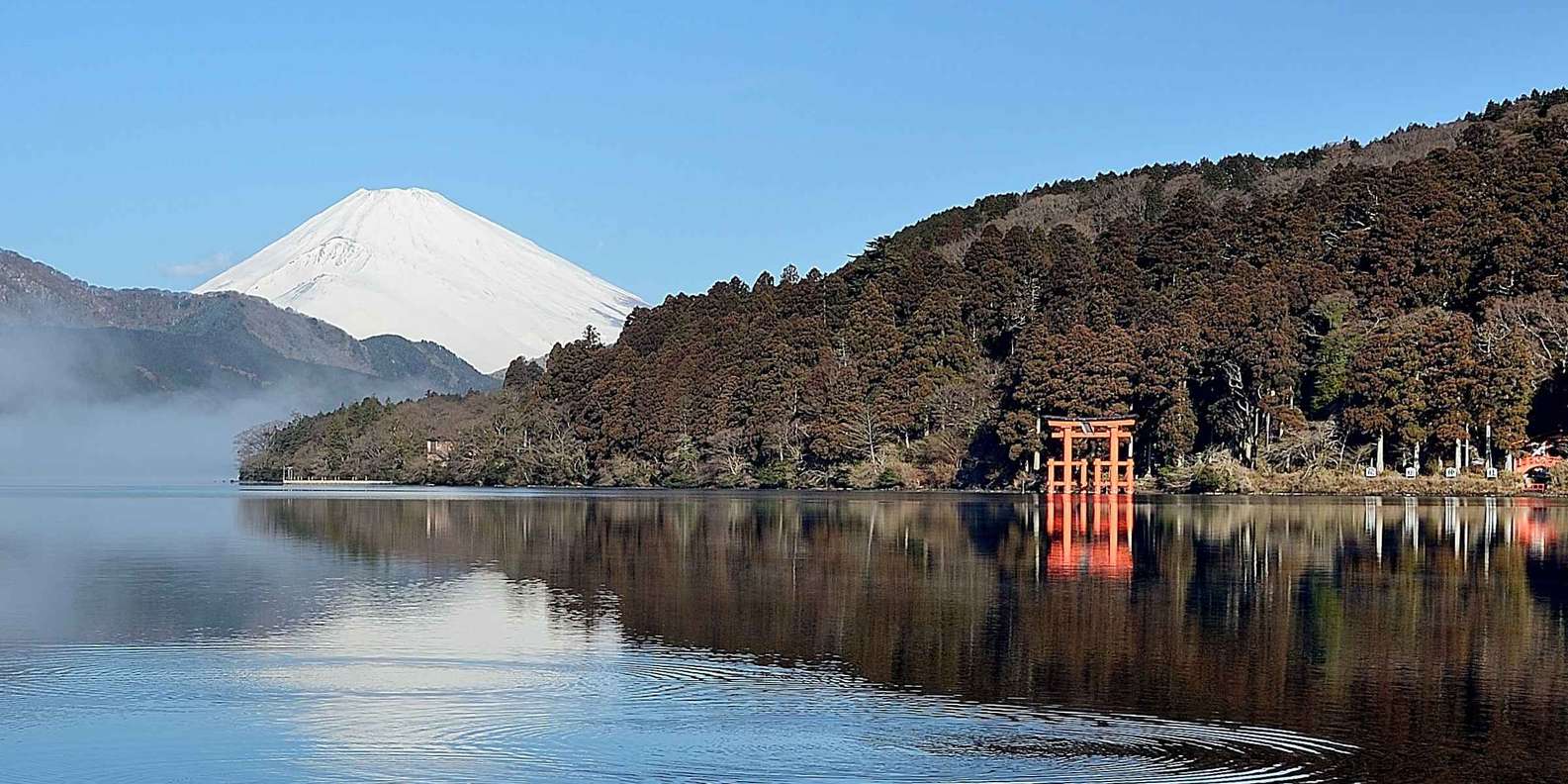
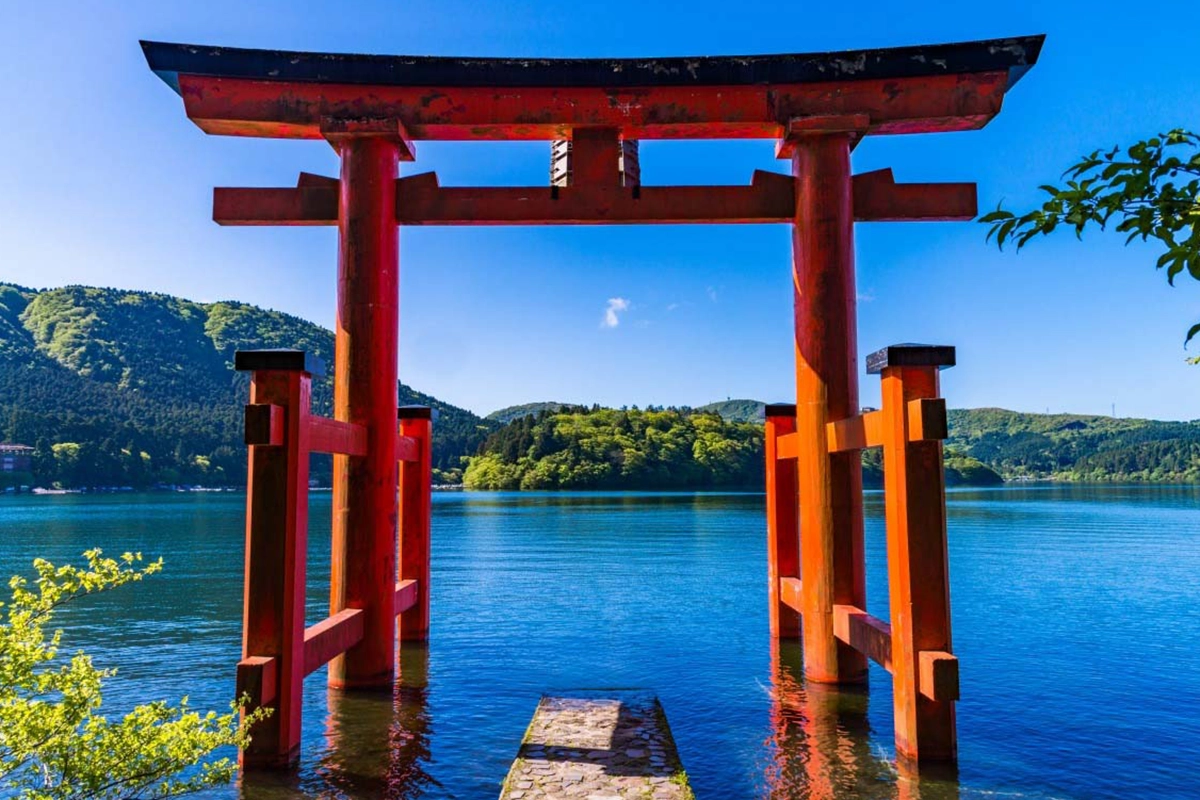
Lake Ashi

Lake Ashi

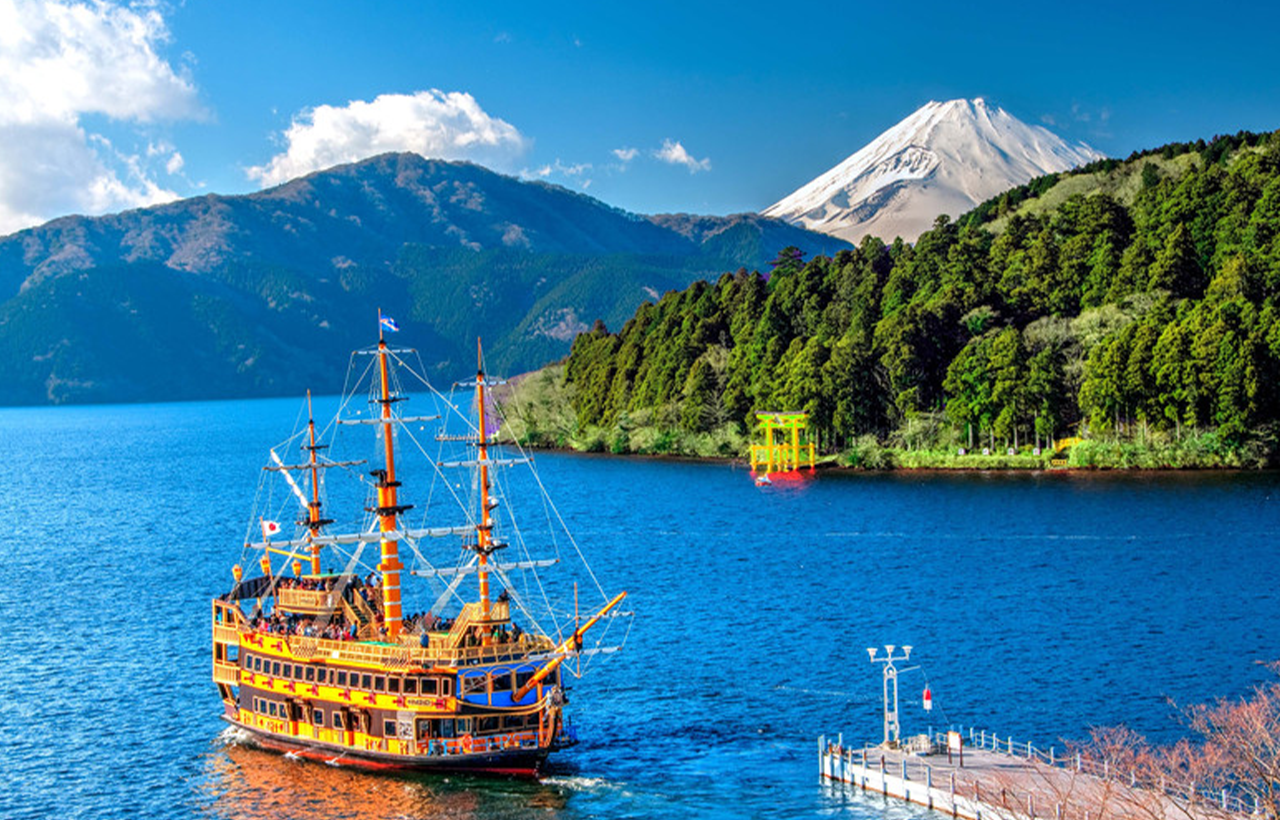
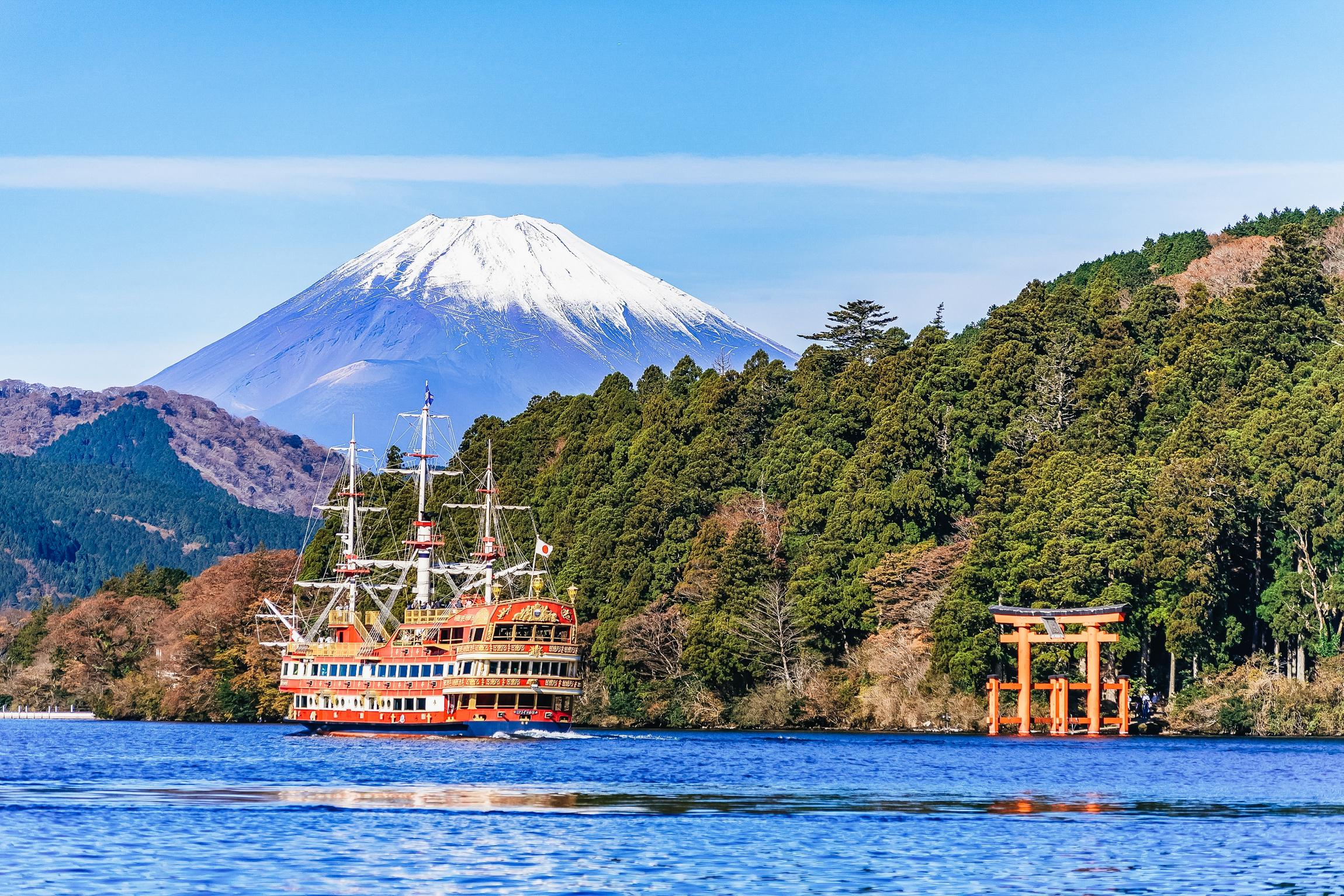
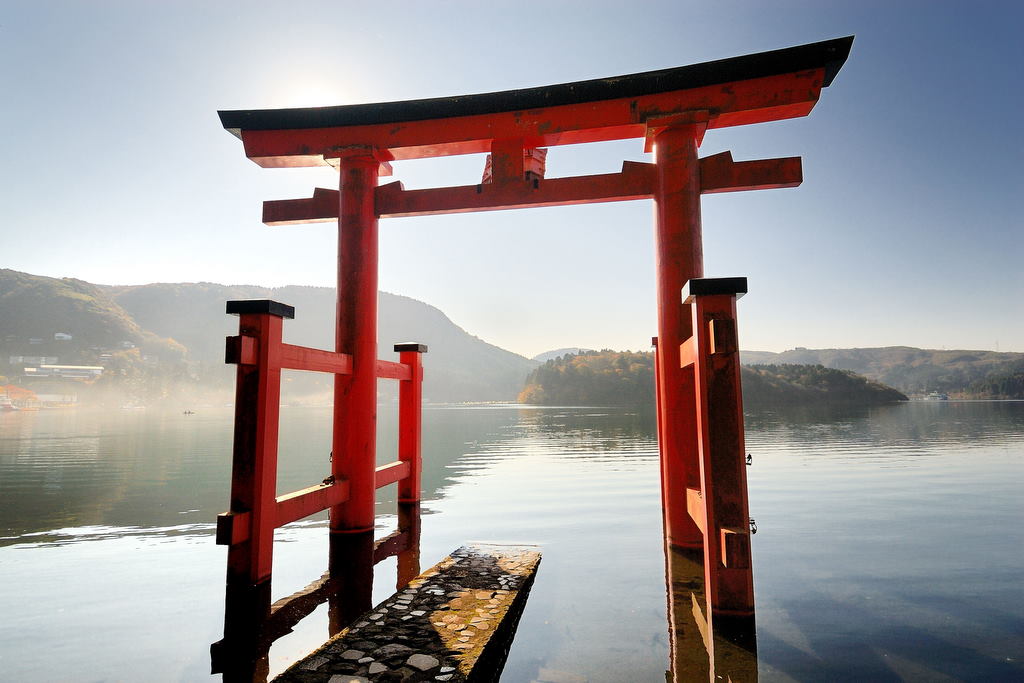
This caldera lake is famous for its shinto gate that appears to float.

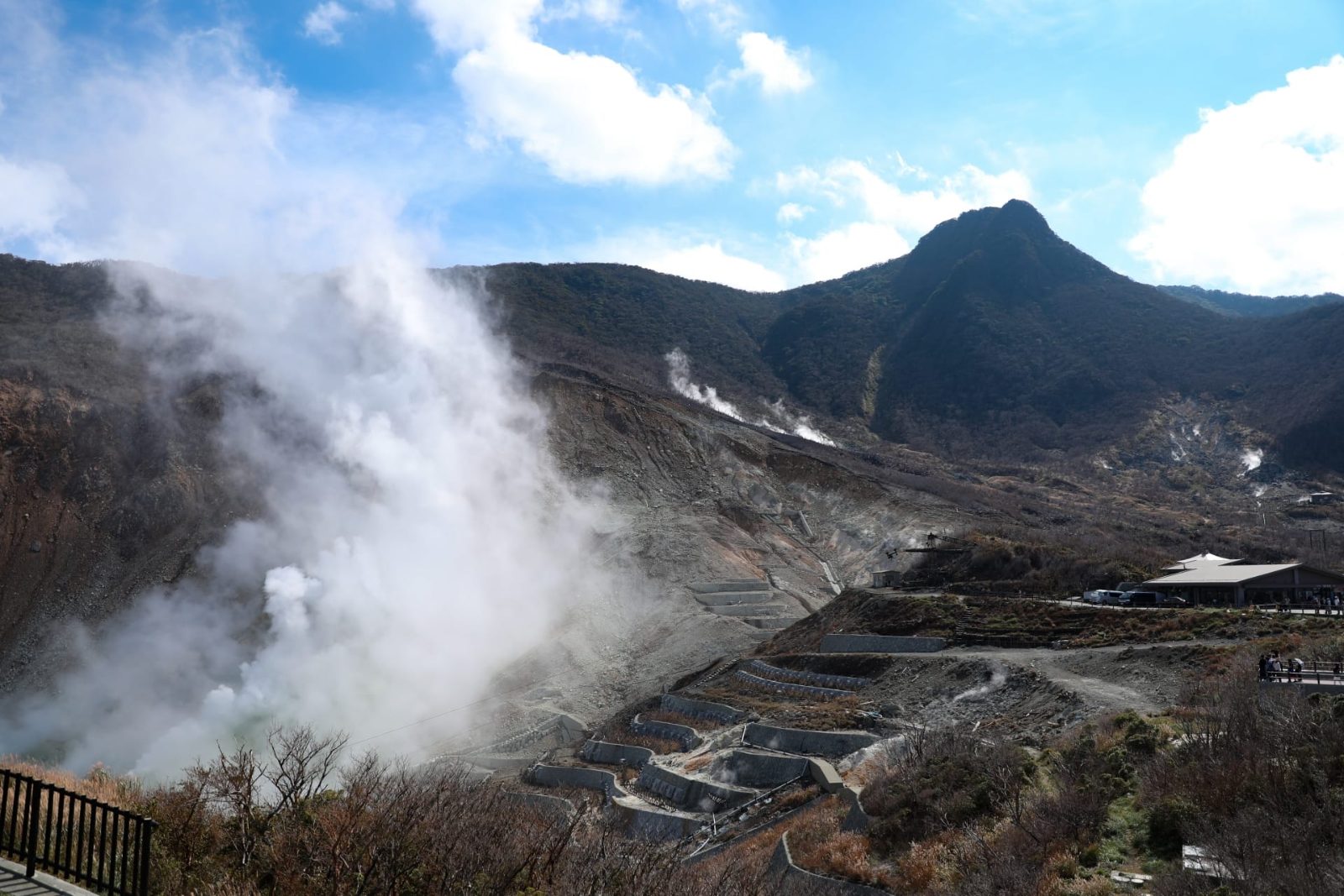
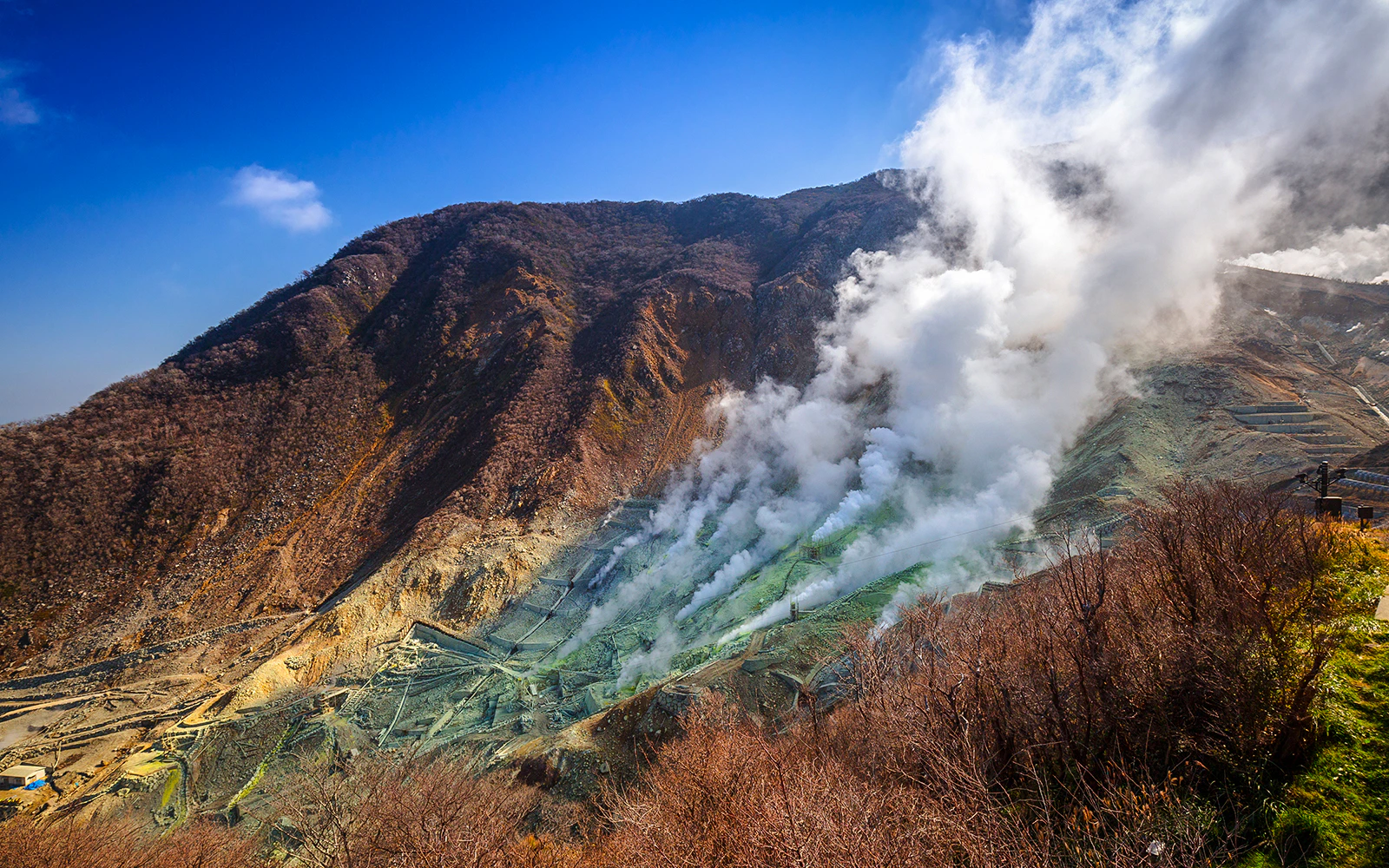
Owakudani Valley

Owakudani Valley

Witness active sulfur vents and steam rising from the earth's crust.

Hakone Shrine

Hakone Shrine

A historic landmark featuring a iconic torii gate on the lake shore.

The experience

What visiting Mt Fuji & Hakone Tour With Bullet Train is really like

You leave Tokyo by coach in the morning and climb the Fuji Subaru Line, the road switchbacking through conifer forest until the trees thin. At the 5th Station, 2,300 metres up, you step out into cooler air and look for the summit above you and Lake Kawaguchiko below.

Read more Show less

The best arrival window is 09:00–16:00, and clear morning visibility increases the chance of viewing Mt. Fuji before afternoon clouds close in — so you look first, photograph second.

The road drops south into Hakone. You board the ropeway and ride over Owakudani, where sulphur vents stain the slope yellow and the smell reaches the cabin. A one-way fare here is 2,000 JPY, and the ropeway operates 09:00–17:00 daily. On a Mount Fuji and Hakone sightseeing route you then descend to Lake Ashi, where a cruise boat crosses the caldera lake toward the vermilion torii of Hakone Shrine standing in the shallows.

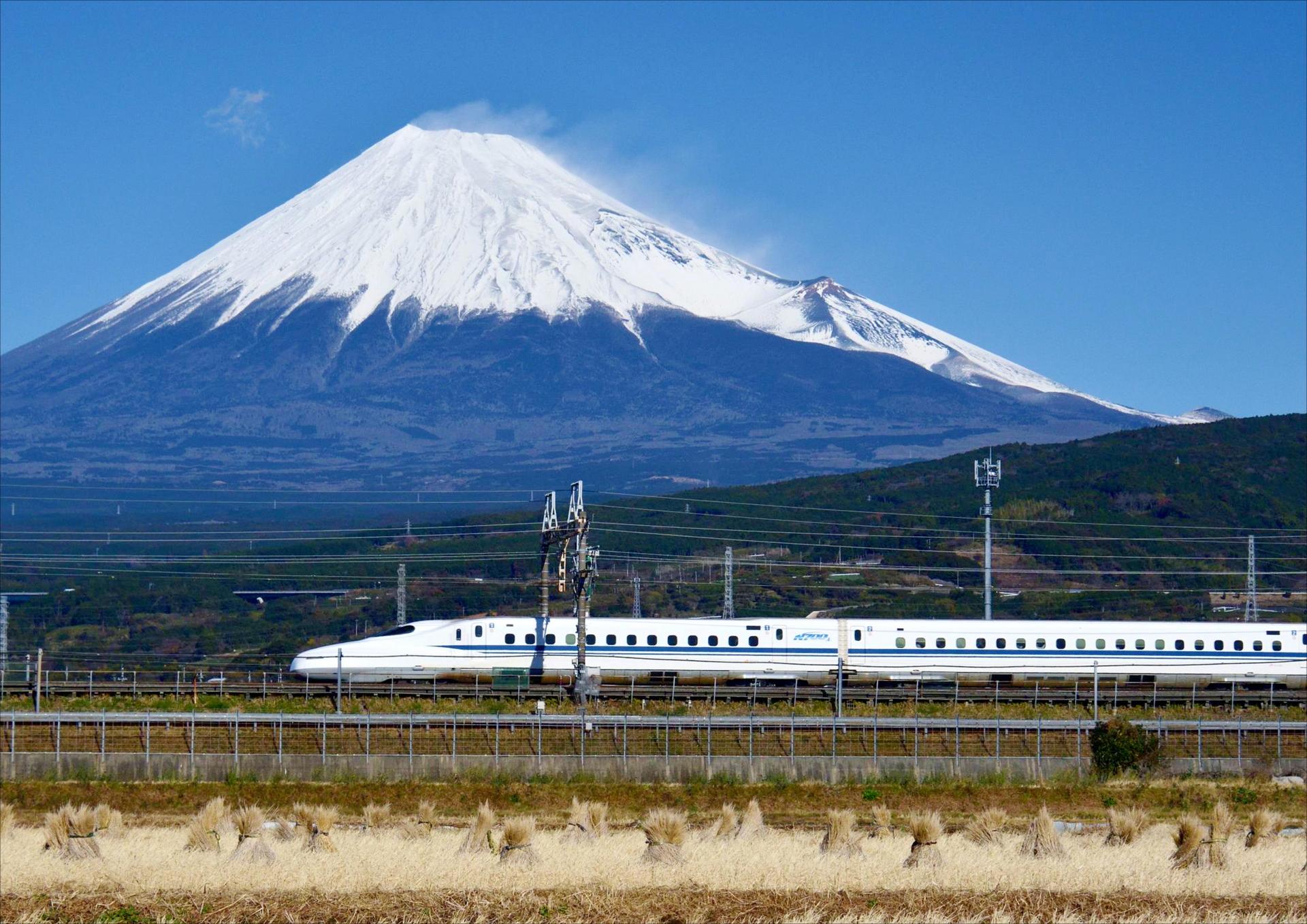
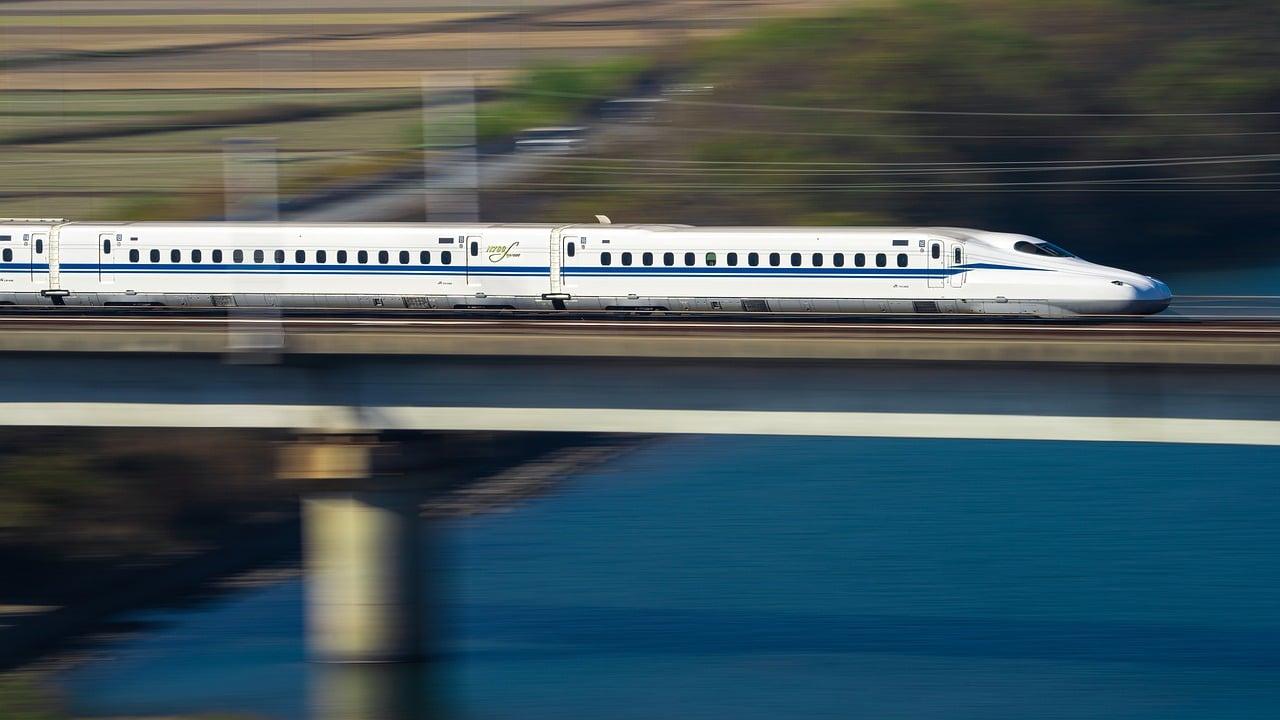
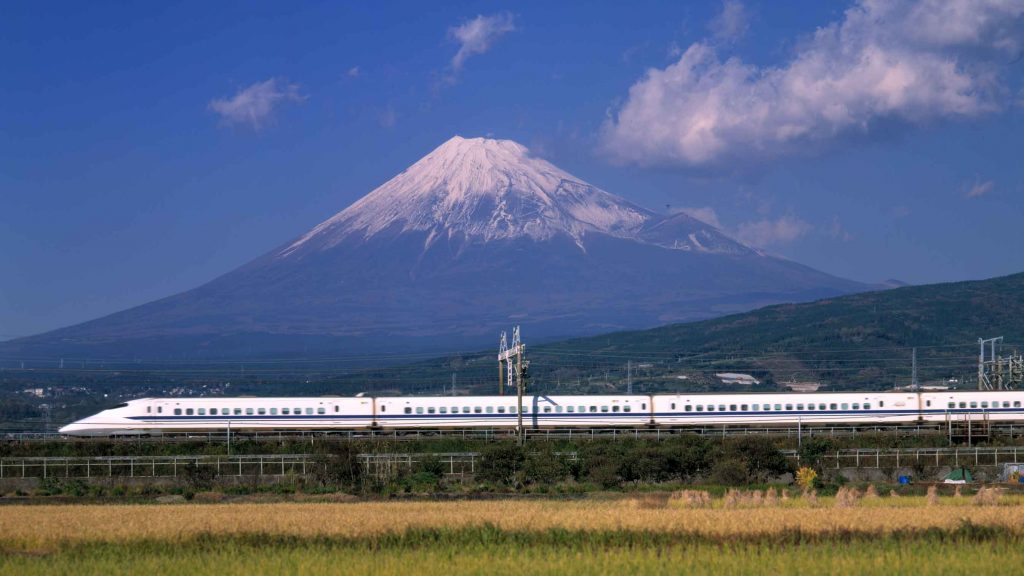
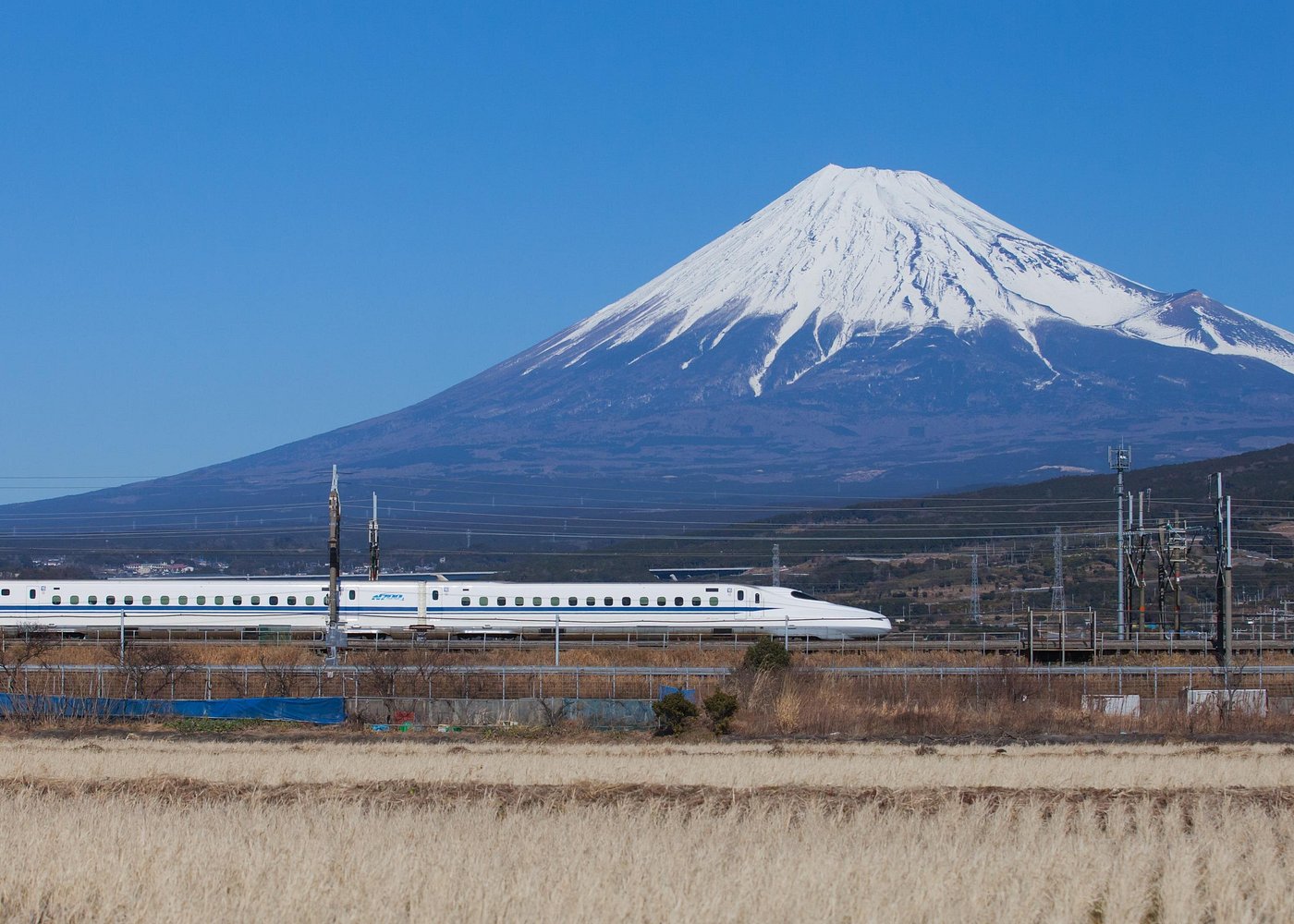
Evening belongs to the train. You reach Odawara Station, pass through the gates, and wait on a platform as a shinkansen slides in. Some mt fuji & hakone tour with bullet train tours end exactly here — 35 minutes of quiet at 270 km/h, the caldera behind you, Tokyo lights ahead.

Mt Fuji & Hakone Tour With Bullet Train
Everything You Need to Know

Your complete Mt Fuji & Hakone Tour With Bullet Train guide

All the details about your upcoming adventure in one place

Mount Fuji last erupted in 1707, and the ash fell on Edo — modern Tokyo — roughly 100 kilometres away. The Hōei eruption left a crater on the southeast flank that remains visible from the air today.

The mountain has been quiet ever since, but it is still classified as active, and the volcanic system that built it also built Hakone, the collapsed caldera to its southeast. Any mt fuji & hakone tour with bullet train travels, in effect, between two chapters of the same geological story.

Fuji is a stratovolcano of 3,776 metres, the tallest point in Japan, and a composite of three volcanoes stacked in sequence over hundreds of thousands of years. It was inscribed on the UNESCO World Heritage list in 2013 — not as a natural site, but as a cultural one. The listing recognises the mountain's role in Shinto and Buddhist practice, in the Fujikō pilgrimage confraternities of the Edo period, and in art. Hokusai's Thirty-six Views of Mount Fuji, printed in the 1830s, fixed the cone's silhouette in the global imagination before photography existed.

Hakone's history runs alongside it. The caldera formed some 40,000 years ago; Lake Ashi fills part of the crater floor, dammed by a landslide roughly 3,000 years old. Owakudani, the valley of sulphurous vents above the lake, still emits steam and hydrogen sulphide, and the black eggs boiled in its hot springs remain a local emblem. In the Edo period Hakone held one of the most important barrier stations on the Tōkaidō road between Kyoto and Edo, where travellers' papers were checked beneath cryptomeria avenues that still stand.

The railway changed everything. The Tōkaidō Shinkansen opened in 1964 and cut the journey along that same corridor to a matter of hours; Odawara Station, the gateway to Hakone, sits on the line. That is why a mt fuji & hakone tour with bullet train works as a single day rather than an overnight expedition. Access to the mountain itself runs up the Fuji Subaru Line to the 5th Station at 2,300 metres, above the tree line and below the summit. Hakone tours combining the ropeway and Lake Ashi cruise follow the caldera rim. Mount Fuji and Hakone sightseeing tours of this kind are less a route than a compression of geology, pilgrimage and engineering into one meridian of travel.
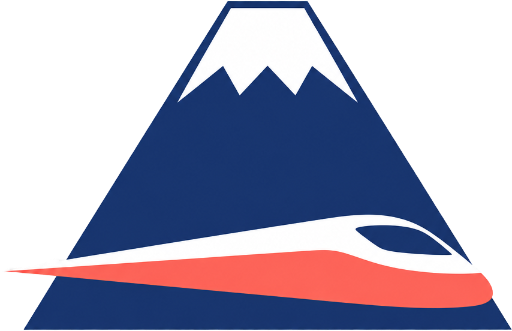

Two chapters of the same geological story, read in a single day.

Dress code

Wear comfortable walking shoes suitable for mountain terrain and uneven paths. Dress in layers to accommodate the temperature difference between the Fuji Subaru Line 5th Station and lower elevations.

Bags & security

Keep luggage compact, as space on buses and ropeway cabins is restricted. Large suitcases may need to be stored at Odawara Station or your hotel.

Photography

Photography is permitted in public areas, but avoid using tripods in crowded stations or narrow mountain walkways. Drone operation is strictly prohibited at all Mt. Fuji stations and Hakone landmarks.

Families & strollers

Strollers are difficult to navigate on trails and ropeway transfers. Lightweight carriers are recommended for toddlers participating in an mt fuji & hakone tour with bullet train.

Accessibility

While the bullet train network provides excellent access, the Hakone Ropeway has specific requirements for wheelchair users. Contact operators in advance to ensure lift equipment availability.

Food & drink

Picnicking is permitted in designated outdoor areas at the 5th Station. Refrain from eating inside ropeway cabins or on public transport to maintain cleanliness.

Not allowed

× Drones × Tripods × Large suitcases × Flammable materials × Sharp objects × Hazardous chemicals × Alcoholic beverages × Pets × Professional recording equipment

What to bring

✓ Sunscreen ✓ Hat ✓ Water bottle ✓ Portable power bank ✓ Light jacket ✓ Comfortable walking shoes ✓ Japan Rail Pass

Opening hours

Mon 09:00–17:00
Tue 09:00–17:00
Wed 09:00–17:00
Thu 09:00–17:00
Fri 09:00–17:00
Sat 09:00–17:00
Sun 09:00–17:00

How to get there

Closures & exceptions

  • ·Dec 31 — Year-end maintenance
  • ·Jan 1 — New Year holiday

At a glance

Operating Hours

09:00–17:00

Address

Fuji Subaru Line 5th Station, Yamanashi & Hakone Ropeway, Kanagawa, Japan

Accessibility

Varies by transport mode; shinkansen platforms are fully accessible

Best Window

09:00–16:00

Storage

Limited lockers available at major train stations

Route

Combine bullet train and ropeway transit

Getting there

Public transport · 60-90 min · Varies by pass type

Use the Tokaido Shinkansen to Odawara Station then transfer to local buses.

Cancellation policy

Full refunds are typically provided for cancellations made at least 72 hours in advance. Please check specific operator terms for details regarding the 2,000 JPY one-way fare for Hakone Ropeway.

Plan your time

Managing Your Mt Fuji & Hakone Tour With Bullet Train Schedule

Recommended time

Full day

A comprehensive mt fuji & hakone tour with bullet train requires a full day to navigate regional transport connections and cable car queues. Efficient movement between these landmarks is essential, as the Hakone ropeway capacity fluctuates based on visitor volume. Securing mt fuji & hakone tour with bullet train tickets in advance helps minimize wait times during the mid-day peak. Travelers planning to explore multiple observation deck sites should allocate extra transit time, while those seeking mt fuji & hakone tour with bullet train tours focused on photography might prefer arriving at the earliest possible hour.

Crowd levels through the day

09:00–11:00 Light
11:00–13:00 Moderate
13:00–15:00 Heavy
15:00–17:00 Moderate
Plan ahead

Best time to visit Mt Fuji & Hakone Tour With Bullet Train

Weather · crowds · average price — dots go green to amber to red as each metric rises.

Spring

March to May offers mild weather and blooming cherry blossoms around Hakone.

Summer

June to August features lush greenery, though Mt. Fuji clouds may obscure views.

Autumn

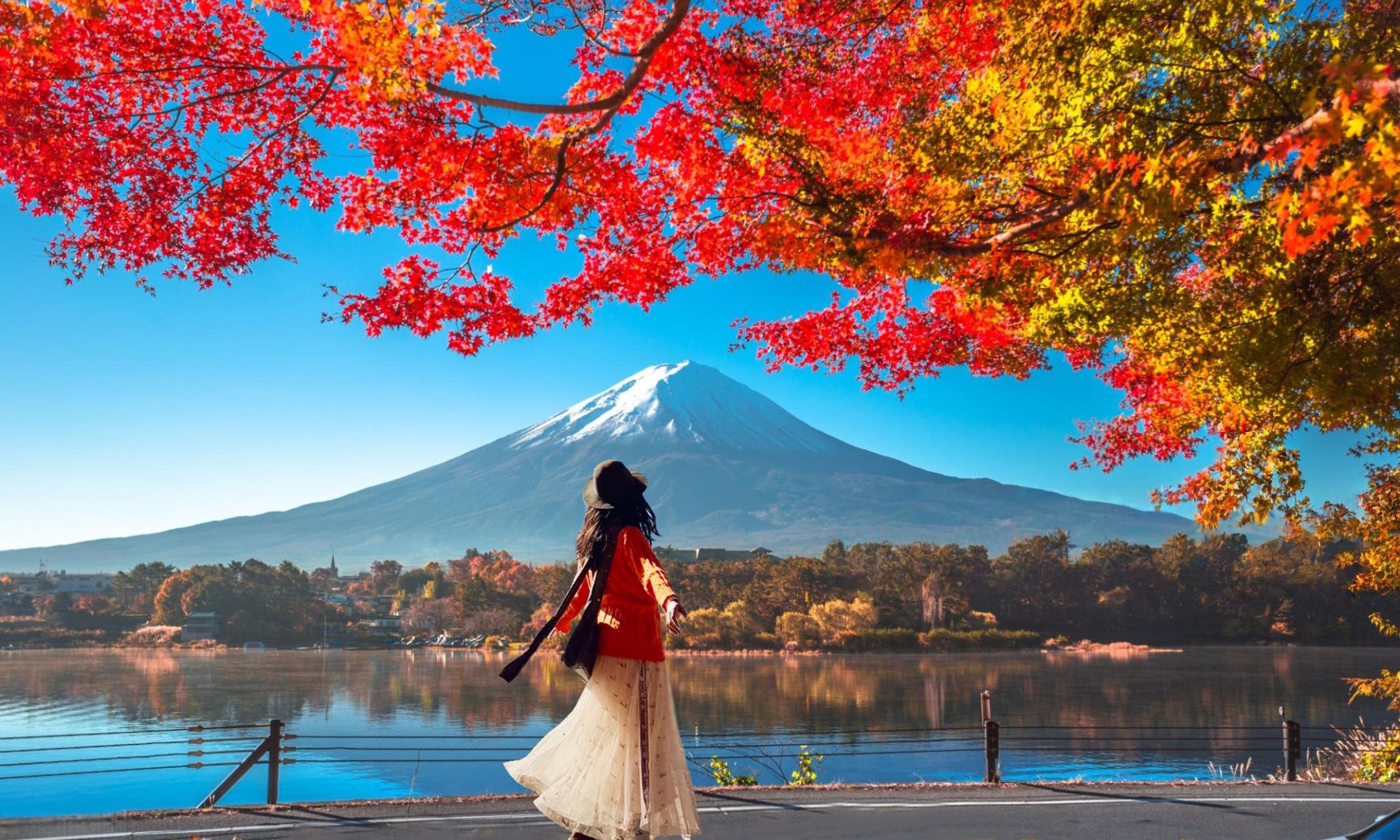
September to November provides crisp air and vibrant fall foliage.

Winter

December to February offers the clearest visibility for Mt. Fuji views.

Insider tips

Helpful tips for visiting Mt Fuji & Hakone Tour With Bullet Train

Early start

Arrive between 09:00–16:00 to maximize your time in the region.

Mt. Fuji visibility

Clear morning weather provides the best chance to see the peak before clouds form.

Conservation fee

Mt. Fuji climbers must pay a mandatory conservation fee upon entry.

Rail pass usage

Check if your tour includes the bullet train fare or requires separate tickets.

Footwear

Prioritize sturdy shoes as the terrain at the 5th station can be rocky.

Offline maps

Download local maps as signal strength fluctuates in the mountains.

Local currency

Keep 2,000 JPY cash for immediate ropeway expenses if not included in your tour.

Where to meet

Mt Fuji & Hakone Tour With Bullet Train meeting points

Tokyo Station

1-9-1 Marunouchi, Chiyoda City

Central hub for bullet train departures

Get directions
The story

The history of Mt Fuji & Hakone Tour With Bullet Train

Fuji's recorded history begins with fire. The Jōgan eruption of 864 split the northern flank and buried forest under lava, forming the Aokigahara plain and the Fuji Five Lakes. Ascetics followed the ash. By the twelfth century the monk Matsudai had raised a temple at the summit, and the Fujikō pilgrimage confraternities of Edo sent white-robed climbers up the Yoshida trail in their thousands. The Hōei eruption of 1707 ended that rhythm abruptly, dropping cinder on Edo ninety kilometres away and raising the crater still visible on the southeast slope. Fuji has not erupted since. Hakone's story is administrative before it is scenic. The Tokugawa shogunate established the Hakone Sekisho checkpoint in 1619 to police the Tōkaidō road, inspecting every traveller between Kyoto and Edo. The cedar avenue planted along that route in 1618 still stands. Volcanism shaped this valley too: the Kanmurigatake explosion roughly 3,000 years ago collapsed a slope, dammed the Hayakawa river and created Lake Ashi, while leaving the sulphurous vents of Owakudani steaming. Modern access arrived in stages — the Hakone Tozan Railway's switchbacks in 1919, the ropeway over the fumaroles in 1960. The bullet train is the final link. The Tōkaidō Shinkansen opened on 1 October 1964, days before the Tokyo Olympics, and made both regions a single day's reach from the capital. That timetable is what any mt fuji & hakone tour with bullet train still depends on. Fuji was inscribed on the UNESCO World Heritage list in 2013 as a cultural site — sacred place and source of artistic inspiration, the category acknowledging Hokusai as much as geology. A conservation fee now applies to climbers, and the Hakone Ropeway charges 2,000 JPY one-way. Booking a Mount Fuji and Hakone sightseeing tour today traces routes laid down by pilgrims, checkpoint guards and engineers.

864

The Jōgan eruption buried Fuji's northern flank in lava, forming Aokigahara and the Fuji Five Lakes.

1149

The monk Matsudai completed a temple at Fuji's summit, formalising the mountain as a site of ascetic worship.

1618–19

The shogunate planted the Tōkaidō cedar avenue and opened the Hakone Sekisho checkpoint to control travel to Edo.

1707

The Hōei eruption showered ash on Edo and left the crater still visible on Fuji's southeast slope; no eruption has followed.

1919

The Hakone Tozan Railway began running, climbing the valley by three switchbacks.

1960

The Hakone Ropeway opened across the fumaroles of Owakudani above Lake Ashi.

1964

The Tōkaidō Shinkansen entered service on 1 October, placing both regions within a day's return of Tokyo.

2013

UNESCO inscribed Mount Fuji as a cultural World Heritage site, citing its sacred and artistic significance.

Photo spots

Top Photography Viewpoints for Your Mt Fuji & Hakone Tour With Bullet Train

Fuji Subaru Line 5th Station Observation Deck

Fuji Subaru Line 5th Station Observation Deck

Best light · 09:00–11:00

Position your camera at the railing facing the mountain to capture the summit trail and volcanic landscape. This location is part of a standard mt fuji & hakone tour with bullet train and offers a wide-angle perspective of the peak.

Hakone Ropeway Owakudani Station Terrace

Hakone Ropeway Owakudani Station Terrace

Best light · Afternoon

Stand near the viewing platform to capture the sulfuric steam vents against the backdrop of the valley. These mt fuji & hakone tour with bullet train tours frequently stop here for images of the volcanic activity.

Lake Ashi Sightseeing Cruise Deck

Lake Ashi Sightseeing Cruise Deck

Best light · Golden hour

Frame the red torii gate of Hakone Shrine from the water as the vessel moves across the lake. Securing your mt fuji & hakone tour with bullet train tickets allows for this water-level vantage point of the sacred mountain.

Hakone Ropeway Sounzan Station Lookout

Hakone Ropeway Sounzan Station Lookout

Best light · Morning

Use the panoramic window or the outdoor deck to photograph the gondolas crossing the mountain ridge. Visitors on an mt fuji & hakone tour with bullet train tour will find clear sightlines toward the Fuji skyline here.

Gallery

Moments from Mt Fuji & Hakone Tour With Bullet Train

With kids

Visiting Mt Fuji & Hakone Tour With Bullet Train with kids

Exploring the region via a mt fuji & hakone tour with bullet train allows families to manage travel fatigue while balancing sightseeing with high-speed transit. The journey combines efficient rail travel with aerial ropeway views, making the landscape accessible even for younger children.

Strollers

Space on the Hakone Ropeway is limited, so compact, foldable strollers are recommended for navigating stations and transit transfers. Large travel systems may need to be checked or folded during the ropeway portion of these mt fuji & hakone tour with bullet train tours.

Facilities

Baby-change tables are available at major transit hubs and the Fuji Subaru Line 5th Station, though we recommend bringing a portable changing mat for quick stops. Public restrooms are frequent, but carry a small supply of sanitizing wipes for convenience during your mt fuji & hakone tour with bullet train tickets purchase journey.

Best ages

School-aged children typically enjoy the novelty of the shinkansen and the scenic ropeway transit most. Toddlers may require frequent breaks, so ensure you select a mt fuji & hakone tour with bullet train tour that includes flexible pacing.

Pacing

Arrival between 09:00–16:00 is essential for the best chance of viewing the mountain peak before afternoon clouds settle. The total experience involves multiple transfers, so plan for a full day of movement to see these iconic Japanese landmarks.

Food & drink

Where to Eat During Your Mt Fuji & Hakone Tour With Bullet Train

Dining options are concentrated at the Fuji Subaru Line 5th Station and Hakone Ropeway terminals, perfect for travelers on a mt fuji & hakone tour with bullet train. While these transit hubs offer convenient quick bites and local delicacies, arrive during your best arrival window of 09:00–16:00 to avoid peak lunch queues for these mt fuji & hakone tour with bullet train tours.

Unjo-kaku

$$

Café & Restaurant

Located at the 5th Station, this venue offers curry and udon with mountain views. It is ideal for those seeking a sit-down meal before continuing their mt fuji & hakone tour with bullet train tour.

FAQ

Mt Fuji & Hakone Tour With Bullet Train — frequently asked questions

Everything you need to know for your journey

Around the corner

More to see near Mt Fuji & Hakone Tour With Bullet Train

Lake Ashi

15 min

landmark

A scenic volcanic lake offering boat cruises and views of Mt. Fuji.

Where to stay

Where to stay near Mt Fuji & Hakone Tour With Bullet Train

Hakone Yumoto

30 min

district

Home to numerous traditional ryokans with hot springs.

Ready for Adventure?

Join thousands of happy travelers who have discovered this incredible experience

Book Your Experience Now